What To Take While Travelling To North Pakistan: A Comprehensive Guide
What To Take While Travelling To North Pakistan: A Comprehensive Guide
Travelling to North Pakistan is an adventure that beckons nature enthusiasts, cultural explorers, and thrill-seekers alike. Nestled between majestic mountains and lush valleys, this region is rich in history, stunning landscapes, and vibrant cultures. However, to make the most of your journey, it's essential to prepare adequately. In this article, we will guide you on what to take while travelling to North Pakistan, ensuring you have a memorable and hassle-free experience.
From the essentials you can’t forget, to unique items that may enhance your trip, we’ll outline everything you need to pack for this extraordinary destination. Additionally, we’ll delve into the highlights of North Pakistan, its cultural significance, and practical travel tips to make your journey smooth and enjoyable.
History & Origins of North Pakistan
North Pakistan is steeped in a rich tapestry of history and culture that dates back thousands of years. The region has been home to various civilizations, including the Indus Valley Civilization, which is one of the world's oldest urban cultures. Its strategic location has made it a crossroads for various empires, traders, and travelers.
- Indus Valley Civilization: One of the earliest urban cultures, thriving around 2500 BC.
- Historical Routes: Major trade routes such as the Silk Road passed through this region.
- Influence: The area has seen influences from Persian, Greek, and Central Asian cultures.
Significant Historical Sites
Travelers to North Pakistan can explore numerous historical sites that reflect its rich past. Key sites include ancient forts, archaeological digs, and relics of bygone eras.
- Taxila: A UNESCO World Heritage site known for its ancient ruins.
- Hunza Fort: A beautiful fortress with panoramic views.
- Skardu: Gateway to some of the highest peaks, including K2.
Highlights & Features of North Pakistan
The diverse landscape of North Pakistan offers breathtaking views, from soaring peaks to serene lakes. Each region has its unique features that attract visitors from all over the globe. Whether you are an adrenaline junkie or someone seeking tranquility, North Pakistan has something for everyone.
- Stunning Landscapes: The region boasts some of the world’s highest mountains, including K2 and Nanga Parbat.
- Beautiful Valleys: Explore the picturesque valleys of Hunza, Skardu, and Swat.
- Cultural Diversity: Home to various ethnic groups, each with their own traditions and languages.
Natural Wonders
North Pakistan is replete with natural attractions that are not to be missed. From glaciers to turquoise lakes, these wonders showcase the region's beauty.
- Fairy Meadows: A stunning plateau near Nanga Parbat, known for its breathtaking views.
- Lake Saif-ul-Malook: A picturesque lake surrounded by mountains, perfect for hiking and photography.
- Deosai National Park: Famous for its biodiversity and scenic beauty.
Cultural Significance of North Pakistan
The cultural heritage of North Pakistan is as rich as its landscapes. The region is home to a plethora of traditions, festivals, and practices that reflect its vibrant history and the resilience of its people. Engaging with the local culture can greatly enhance your travel experience.
- Festivals: Experience colorful festivals like Shandur Polo Festival, showcasing local traditions.
- Traditional Cuisine: Indulge in local dishes such as Chapshoro and Pulao, which reflect the region's culinary diversity.
- Art and Craft: Discover exquisite handicrafts, including traditional embroidery and pottery.
Local Customs
Understanding local customs can profoundly enhance your travel experience. Respect and appreciation for local traditions can lead to more meaningful interactions with the residents.
- Hospitality: Locals are known for their warm hospitality; accepting invitations can lead to unforgettable experiences.
- Dress Code: Modest clothing is advisable, especially in rural areas.
- Language: While Urdu is widely spoken, learning a few phrases in the local dialects can go a long way.
What To See & Do in North Pakistan
North Pakistan is a treasure trove of activities and attractions that cater to a variety of interests. Whether you are an outdoor enthusiast or a history buff, there’s no shortage of things to see and do in this remarkable region.
- Trekking: Numerous trekking routes, including the popular K2 Base Camp trek.
- Exploring Forts: Visit historical forts like Baltit and Altit in Hunza Valley.
- River Rafting: Experience the thrill of river rafting in the Indus River.
Adventure Activities
If you seek adventure, North Pakistan offers a variety of thrilling activities that will get your adrenaline pumping. From high-altitude trekking to challenging climbs, the options are plentiful.
- Climbing: Conquering peaks like Nanga Parbat or Rakaposhi.
- Paragliding: Enjoy breathtaking aerial views in places like Naran.
- Camping: Set up camp in scenic locations like Fairy Meadows.
The Visitor Experience in North Pakistan
Visiting North Pakistan is an experience unlike any other. The warm hospitality of the locals, combined with the stunning natural beauty and rich cultural heritage, creates an unforgettable atmosphere for travelers. However, understanding the visitor experience can help set expectations and enhance your journey.
- Accommodation: A range of options from luxury hotels to budget guesthouses.
- Transportation: Local transport options include jeeps and buses, though hiring a private vehicle is recommended for convenience.
- Connectivity: Internet and mobile connectivity may be limited in remote areas.
Local Interactions
Engaging with the local community enriches the travel experience. Make an effort to connect with residents, learn about their way of life, and participate in local customs.
- Homestays: Consider staying with a local family for an immersive experience.
- Guided Tours: Opt for local guides who can provide insights and enhance your understanding of the area.
- Community Projects: Engage in community-based tourism initiatives that support local development.
Location & How to Get There
North Pakistan is accessible via multiple routes, and understanding the best way to reach your destination can save time and reduce travel stress. The region is well-connected to major cities and offers different modes of transportation depending on your preference.
- Air Travel: Domestic flights are available from Islamabad to Skardu and Gilgit.
- Road Travel: The Karakoram Highway is the primary road connecting Pakistan with China, offering stunning views along the way.
- Public Transport: Buses and coaches operate between major cities, providing an economical option for travelers.
Travel Tips for Getting There
When planning your journey to North Pakistan, consider the following tips to ensure a smooth travel experience. Being aware of travel conditions and regulations can help you navigate your trip effectively.
- Check Weather Conditions: Weather can significantly affect travel plans, especially in mountainous regions.
- Safety Precautions: Stay informed about local conditions and travel advisories.
- Travel Insurance: Always opt for travel insurance that covers adventure activities.
Best Time to Visit North Pakistan
The best time to visit North Pakistan largely depends on the activities you wish to engage in and the regions you plan to explore. Understanding the seasons and their characteristics can help you choose the perfect time for your trip.
- Summer (June to August): Ideal for trekking and outdoor activities, with pleasant weather.
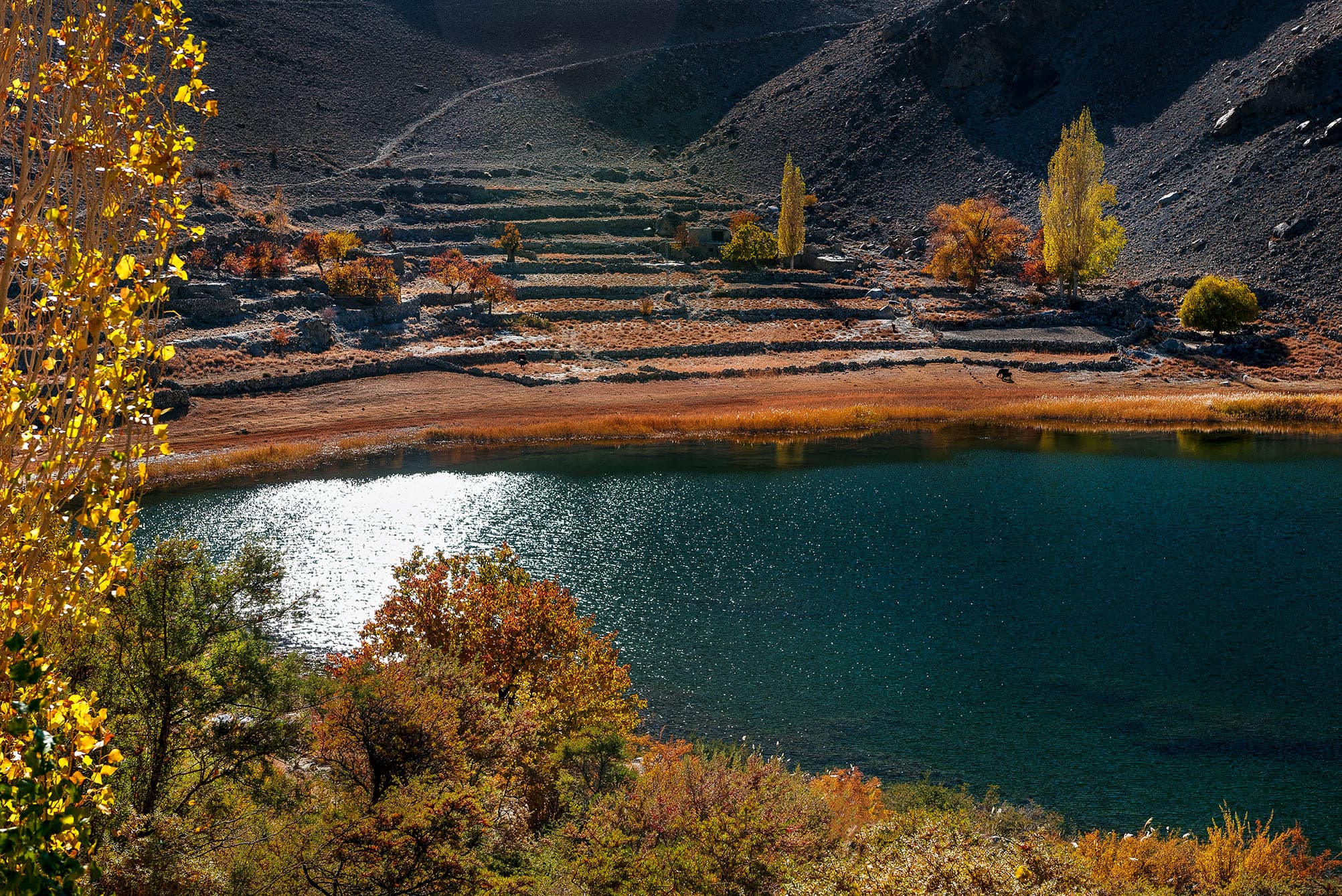
- Autumn (September to November): Perfect for photography, as the foliage transforms into vibrant colors.
- Winter (December to February): Great for snow sports but requires special equipment and preparation.
Seasonal Considerations
Each season in North Pakistan presents unique experiences and challenges. Being aware of these can help you prepare adequately for your trip.
- Spring: Blooming flowers and moderate weather make it a lovely time for visiting.
- Monsoon: June to September can bring heavy rains, particularly in certain areas.
- Winter Sports: Snowfall opens up opportunities for skiing and snowboarding in specific regions.
Nearby Attractions
While North Pakistan is rich with its own attractions, there are several nearby destinations worth exploring. These locations can complement your travel itinerary and offer additional experiences.
- Fairy Meadows: A stunning plateau with breathtaking views of Nanga Parbat.
- Hunza Valley: Known for its picturesque landscapes and hospitable people.
- Skardu: The gateway to some of the highest peaks in the world, including K2.
Day Trips and Excursions
Consider taking day trips to explore nearby attractions that provide a deeper understanding of the region's beauty and culture. Many operators offer guided excursions that can enhance your experience.
- Shangrila Resort: A beautiful resort surrounded by lakes and mountains, perfect for a relaxing day.
- Kachura Lakes: Ideal for boating and enjoying stunning views.
- Khunjerab Pass: The highest paved international border crossing in the world, offering spectacular views.
Pro Tips for Visiting What To Take While Travelling To North Pakistan
- Pack Layers: Weather can change rapidly, so bring both warm and light clothing.
- Carry Cash: ATM access may be limited, especially in remote areas; it's wise to have cash on hand.
- Photography Gear: North Pakistan offers stunning landscapes; ensure you have a good camera and extra batteries.
- Local SIM Card: Consider getting a local SIM for better connectivity during your trip.
- Respect Local Customs: Be mindful of local traditions and dress modestly.
Quick Facts
| Feature | Details |
|---|---|
| Location | North Pakistan, bordering China and India |
| Best Time to Visit | June to September for trekking, October for photography |
| Entry Fee | Varies by site; some areas may require permits |
| Nearby Attractions | Hunza Valley, Skardu, Fairy Meadows |
| Time Needed | 1-2 weeks recommended to explore fully |
Frequently Asked Questions
What is the best time to visit North Pakistan?
The best time to visit North Pakistan is between June and September, when the weather is pleasant, making it ideal for trekking and outdoor activities. Autumn, particularly October, is also beautiful for photography due to the colorful foliage.
Is North Pakistan safe for tourists?
Yes, North Pakistan is generally considered safe for tourists, especially in popular tourist areas. However, it's essential to stay updated on local conditions and follow travel advisories for any specific regions you plan to visit.
What should I wear while travelling in North Pakistan?
Dress modestly to respect local customs, especially in rural areas. Layers are advisable due to varying temperatures, and comfortable trekking shoes are essential for outdoor activities.
How can I get around North Pakistan?
Transportation options include local buses, private taxis, and jeeps. Hiring a private vehicle is often recommended for convenience and flexibility, especially for reaching remote areas.
What are some must-try foods in North Pakistan?
Be sure to try local delicacies such as Chapshoro (meat-filled pastry), Pulao (rice dish), and various traditional sweets. Each region has its own specialties that reflect its culture and heritage.
Conclusion
Preparing for a trip to North Pakistan requires careful planning and consideration of what to take with you. From understanding the region's rich history and cultural significance to packing the right essentials, your experience can be both enriching and enjoyable. North Pakistan’s breathtaking landscapes, warm hospitality, and diverse activities await your exploration. So, gear up and embark on an unforgettable journey to this stunning part of the world!
Related Blogs
- Discover the Best Camping Spots In North Pakistan
- Discovering the Best Mobile Service Provider in North Pakistan
- Visa Invitation Letter For Pakistan 2026: Your Comprehensive Guide
- Discover the Wonders of Hingol National Park Balochistan: A Natural Marvel in Pakistan
- Exploring Takht I Bahi Buddhist Monastery: A Journey Through Time in Pakistan