Discover the Wonders of Hingol National Park Balochistan: A Natural Marvel in Pakistan
Discover the Wonders of Hingol National Park Balochistan: A Natural Marvel in Pakistan
Nestled in the arid landscapes of Balochistan, Hingol National Park stands as a testament to Pakistan's rich natural heritage and stunning biodiversity. Covering an area of approximately 6,100 square kilometers, this park is not only the largest national park in Pakistan but also a sanctuary for various wildlife species and a site of remarkable geological formations. In this article, we will explore the history and origins of Hingol National Park, its highlights and features, cultural significance, and what visitors can see and do while there. Additionally, we will provide practical tips for planning your visit, along with insights into the best time to explore this breathtaking destination.
Whether you are an adventure seeker, a nature enthusiast, or someone looking to immerse yourself in the cultural tapestry of Balochistan, Hingol National Park offers something for everyone. From its iconic mud volcanoes and majestic cliffs to the rich wildlife and ancient traditions, this park is a hidden gem waiting to be discovered. Join us as we delve into the wonders of Hingol National Park Balochistan and uncover the experiences that await you.
History & Origins of Hingol National Park
Hingol National Park has a rich history that dates back to ancient times, shaped by the unique geological and ecological features of the region. Established in 1988, the park was created primarily to protect the diverse wildlife and natural habitats of Balochistan. The name "Hingol" itself is derived from the Hingol River, which flows through the park, adding to its ecological significance. Over the years, it has become a crucial area for conservation efforts, showcasing the delicate balance between nature and human activity.
- Established: 1988 as a national park.
- Area: Approximately 6,100 square kilometers.
- Location: Situated along the Makran Coast in Balochistan.
- Conservation: Home to various endangered species and unique ecosystems.
- Significance: Important for biodiversity and geological studies.
Geological Features
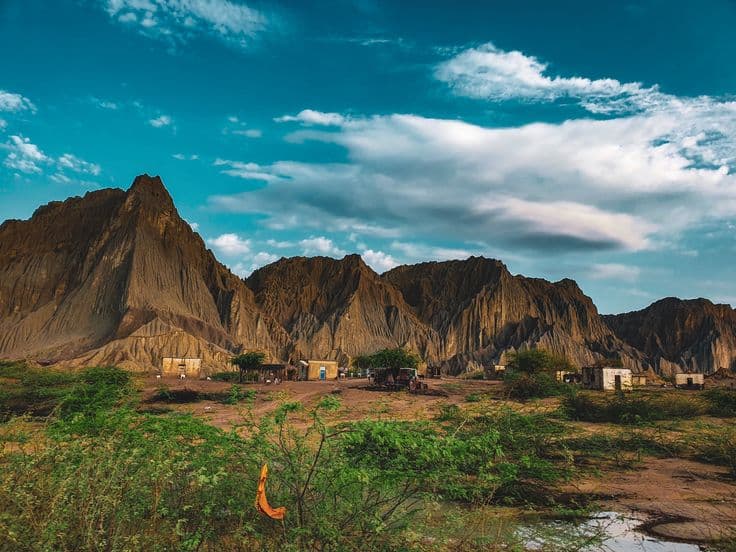
The park is renowned for its stunning geological formations, which have been shaped over millions of years by natural forces. The striking cliffs, canyons, and mud volcanoes offer a glimpse into the earth's geological history. Visitors can witness formations such as the famous "Princess of Hope," a rock formation that resembles a woman in prayer, and the mesmerizing mud volcanoes that bubble and erupt with mud.
Wildlife Conservation
Hingol National Park plays a vital role in the conservation of various wildlife species. It is home to several endangered animals, including the Sindh ibex, the Balochistan black bear, and various species of birds. The park's diverse habitats, ranging from coastal areas to mountainous regions, provide a sanctuary for these animals, making it a focal point for wildlife enthusiasts and researchers alike.
Highlights & Features
Hingol National Park boasts an array of remarkable features that draw visitors from around the world. The park's unique landscapes, diverse ecosystems, and rich wildlife make it a must-visit destination for nature lovers and adventure seekers. From breathtaking views of the Arabian Sea to awe-inspiring rock formations, each aspect of the park contributes to its overall charm and appeal.
- Mud Volcanoes: A unique geological phenomenon where mud erupts from the earth.
- Princess of Hope: A striking rock formation resembling a woman in prayer.
- Coastal Views: Stunning vistas of the Arabian Sea along the coastline.
- Wildlife Watching: Opportunities to spot various species in their natural habitat.
- Scenic Hiking Trails: Numerous trails for trekking enthusiasts to explore.
Scenic Landscapes
The park's landscapes are incredibly diverse, ranging from rugged mountains to sandy beaches. The contrasting environments provide a stunning backdrop for photography and exploration. The combination of arid deserts, lush river valleys, and coastal areas creates a picturesque setting that captivates every visitor.
Adventure Activities
Hingol National Park offers a variety of adventure activities for thrill-seekers. From trekking and camping to wildlife safaris, there are countless ways to immerse yourself in the natural beauty of the park. The diverse terrain allows for both challenging hikes and leisurely strolls, catering to all levels of experience.
Cultural Significance
Beyond its natural wonders, Hingol National Park is steeped in cultural significance, reflecting the traditions and history of the local communities. The region is inhabited by various ethnic groups, each with its own unique customs and practices. The park serves as a living testament to the interconnection between nature and culture, making it an essential aspect of the Balochistan identity.
- Local Tribes: Home to various tribes, including the Makrani and Baloch people.
- Historical Sites: The park contains ancient rock carvings and archaeological sites.
- Cultural Festivals: Local festivals often celebrate the region's rich heritage.
- Traditional Crafts: Opportunities to explore local handicrafts and artisan work.
- Community Engagement: Visitors can engage with local communities to learn about their lifestyle.
Local Tribes and Their Traditions
The tribes of Balochistan have a rich cultural heritage that is deeply intertwined with the natural environment of Hingol National Park. The Makrani people, in particular, have a strong connection to the land and its resources. Their traditions, folklore, and music reflect the beauty of the surrounding landscapes, offering visitors a unique cultural experience.
Historical Significance
Hingol National Park is also home to several historical sites, including ancient rock carvings that date back thousands of years. These carvings provide insight into the lives of the early inhabitants of the region. Exploring these sites allows visitors to connect with the history and heritage of Balochistan, enriching their understanding of the area's cultural significance.
What to See & Do in Hingol National Park
Visitors to Hingol National Park will find a plethora of activities and sights that cater to various interests. Whether you are keen on wildlife watching, exploring geological formations, or indulging in adventure sports, the park has something for everyone. Each experience offers a unique opportunity to connect with nature and appreciate the beauty of this remarkable ecosystem.
- Wildlife Safari: Join guided tours to observe rare species in their natural habitat.
- Hiking Trails: Explore numerous trails that range in difficulty and length.
- Photography: Capture stunning landscapes and wildlife moments.
- Camping: Experience the park overnight under the stars.
- Cultural Tours: Engage with local communities and learn about their traditions.
Wildlife Watching
For wildlife enthusiasts, Hingol National Park is a paradise. With its diverse ecosystems, the park is home to various species, including the Sindh ibex, chinkara gazelle, and a variety of birds. Guided wildlife safaris are available, providing visitors with the chance to witness these magnificent creatures in their natural habitats while learning about their conservation status.
Hiking and Trekking
The park features numerous hiking and trekking trails that lead through its stunning landscapes. From easy walks along the coastline to challenging hikes in the mountains, there is something for every level of adventurer. These trails offer breathtaking views and the opportunity to connect with the park's natural beauty.
The Visitor Experience
Visiting Hingol National Park is not just about witnessing its natural beauty; it's also an immersive experience that allows travelers to engage with the environment and local culture. The park is equipped with facilities to enhance the visitor experience, ensuring a comfortable and enjoyable journey through its stunning landscapes.
- Visitor Centers: Information centers provide maps, guides, and assistance.
- Camping Facilities: Designated camping areas for overnight stays.
- Guided Tours: Expert guides are available for wildlife and cultural tours.
- Safety Measures: Park rangers ensure safety and conservation efforts are upheld.
- Local Cuisine: Taste traditional Balochi dishes at nearby eateries.
Guided Tours and Educational Programs
To enrich your visit, Hingol National Park offers guided tours and educational programs that highlight the park's unique ecology and cultural significance. Expert guides share their knowledge about the area's flora and fauna, as well as the local tribes, making for an informative and engaging experience.
Facilities for Visitors
The park provides various facilities to ensure a pleasant visit, including visitor centers where you can obtain information and maps. Additionally, designated camping areas allow for overnight stays, enabling visitors to fully immerse themselves in the park's natural beauty.
Location & How to Get There
Hingol National Park is located in the Makran region of Balochistan, approximately 190 kilometers from the provincial capital, Quetta. Its strategic location along the Arabian Sea makes it easily accessible for both local and international travelers. Understanding how to reach the park is essential for planning your visit, as it ensures a smooth and enjoyable journey.
- Nearest City: The park is located near the city of Uthal.
- Transport Options: Accessible by road; car rentals and local transport are available.
- Road Conditions: The roads can be challenging; ensure your vehicle is in good condition.
- Entry Points: The main entrance is well-marked and provides access to different areas of the park.
- Guided Transport: Consider hiring local guides for a better understanding of the region.
Traveling from Major Cities
The most common route to Hingol National Park is from Karachi, which is approximately 280 kilometers away. Travelers can take the National Highway to Uthal and then follow the signs to the park. Alternatively, if you're coming from Quetta, the journey takes about 3-4 hours via a scenic drive through the mountains.
Local Transportation Options
Once you arrive in the vicinity of Hingol National Park, various local transportation options are available, including taxis and rented vehicles. Hiring a local guide can enhance your experience, as they are familiar with the terrain and can provide valuable insights into the park's history and ecology.
Best Time to Visit Hingol National Park
The best time to visit Hingol National Park largely depends on your preferences for weather and activities. Given its unique desert climate, the park experiences extreme temperatures, making timing crucial for a comfortable and enjoyable visit. Understanding the seasonal variations can help you plan your trip to maximize your experience.
- Optimal Months: October to March for mild temperatures.
- Summer Heat: Avoid visiting from May to August due to extreme heat.
- Wildlife Activity: Best wildlife sightings occur during cooler months.
- Floral Bloom: Visit in spring for blooming flowers and lush landscapes.
- Festival Season: Engage in local festivals typically held in the autumn.
Seasonal Weather Patterns
The weather in Hingol National Park varies significantly throughout the year. Winters are mild and pleasant, making it an ideal time for hiking and wildlife watching. Conversely, summers can be scorching, with temperatures soaring above 40°C, which can hinder outdoor activities. Therefore, planning your visit during the cooler months ensures a more enjoyable experience.
Events and Festivals
Visiting during local festivals allows you to experience the vibrant culture of Balochistan. Events often showcase traditional music, dances, and crafts, providing visitors with a deeper understanding of the region's heritage. Engaging with the local community during these times can enrich your travel experience significantly.
Nearby Attractions
Hingol National Park is surrounded by various attractions that can complement your visit. Exploring these nearby sites allows you to delve deeper into the natural beauty and cultural richness of Balochistan. Each location offers unique experiences, from historical landmarks to other natural wonders.
- Makran Coastal Highway: A scenic drive offering stunning views of the coastline.
- Fortress of Kharan: An ancient fort that showcases Balochistan's history.
- Astola Island: A pristine island known for its diverse marine life.
- Ormara Beach: A serene beach ideal for relaxation and picnics.
- Wadi Sibi: A picturesque valley with lush greenery and traditional villages.
Exploring the Makran Coastal Highway
The Makran Coastal Highway is one of the most breathtaking roads in Pakistan, stretching along the Arabian Sea. This scenic route offers dramatic coastal views, making it a popular choice for travelers heading to Hingol National Park. Stop at various viewpoints to capture the stunning landscapes and enjoy the fresh sea breeze.
Discovering Astola Island
Astola Island, located off the coast near Hingol National Park, is known for its untouched beauty and rich marine biodiversity. A day trip to the island allows you to experience its pristine beaches, crystal-clear waters, and diverse wildlife. Snorkeling and diving opportunities abound, making it a fantastic addition to your Balochistan itinerary.
Pro Tips for Visiting Hingol National Park Balochistan
- Visit in Winter: The best time to visit is from October to March for comfortable temperatures.
- Carry Water: Always carry sufficient water and snacks, as facilities are limited in the park.
- Dress Appropriately: Wear comfortable hiking shoes and light clothing suitable for outdoor activities.
- Photography Gear: Bring a good camera to capture the stunning landscapes and wildlife.
- Avoid Crowds: Visit on weekdays for a more peaceful experience, as weekends can be busier.
Quick Facts
| Feature | Details |
|---|---|
| Location | Balochistan, Pakistan |
| Best Time to Visit | October to March |
| Entry Fee | Varies; check local regulations |
| Nearby Attraction | Astola Island |
| Time Needed | 2-3 days for a comprehensive visit |
Frequently Asked Questions
What wildlife can I expect to see in Hingol National Park?
Hingol National Park is home to a variety of wildlife, including the endangered Sindh ibex, chinkara gazelle, and numerous bird species. Wildlife enthusiasts often visit the park to observe these animals in their natural habitats, particularly during the cooler months when they are more active.
Are there accommodations available near the park?
While there are limited accommodations within the park, visitors can find guesthouses and hotels in nearby towns like Uthal. For those looking for a more immersive experience, camping within the park is also an option, allowing you to connect with nature overnight.
Is it safe to visit Hingol National Park?
Yes, Hingol National Park is generally safe for visitors. However, it is advisable to stay updated on local conditions and travel advisories. Engaging local guides can enhance your safety and provide valuable insights into the area.
What should I pack for a trip to Hingol National Park?
Visitors should pack essentials such as water, snacks, sunblock, comfortable hiking shoes, and warm clothing for cooler nights. A camera and binoculars are also recommended for wildlife watching and photography opportunities.
Can I visit Hingol National Park year-round?
While Hingol National Park is open year-round, the best time to visit is from October to March when temperatures are mild. Summer months can be extremely hot, making outdoor activities uncomfortable and less enjoyable.
Conclusion
Hingol National Park Balochistan is a captivating destination that offers an extraordinary blend of natural beauty, rich history, and vibrant culture. With its stunning landscapes and diverse wildlife, the park provides a unique opportunity for adventure and exploration. Whether you are hiking through its rugged terrain, engaging with local communities, or simply soaking in the breathtaking views, a visit to Hingol National Park is sure to leave you with unforgettable memories. We encourage you to embark on this remarkable journey and discover the hidden treasures of Balochistan.
Related Blogs
- National Parks in Pakistan
- Explore the Wonders of Hazarganji Chiltan National Park Balochistan: A Hidden Gem in Pakistan
- Discover the Enchantment of Sheosar Lake in Deosai National Park, Gilgit Baltistan
- Discover the Enchanting Beauty of Princess Of Hope Balochistan
- Discover the Vibrant National Festivals of Pakistan