Tomb Of Jahangir Lahore: History, Significance, and Visitor Experience
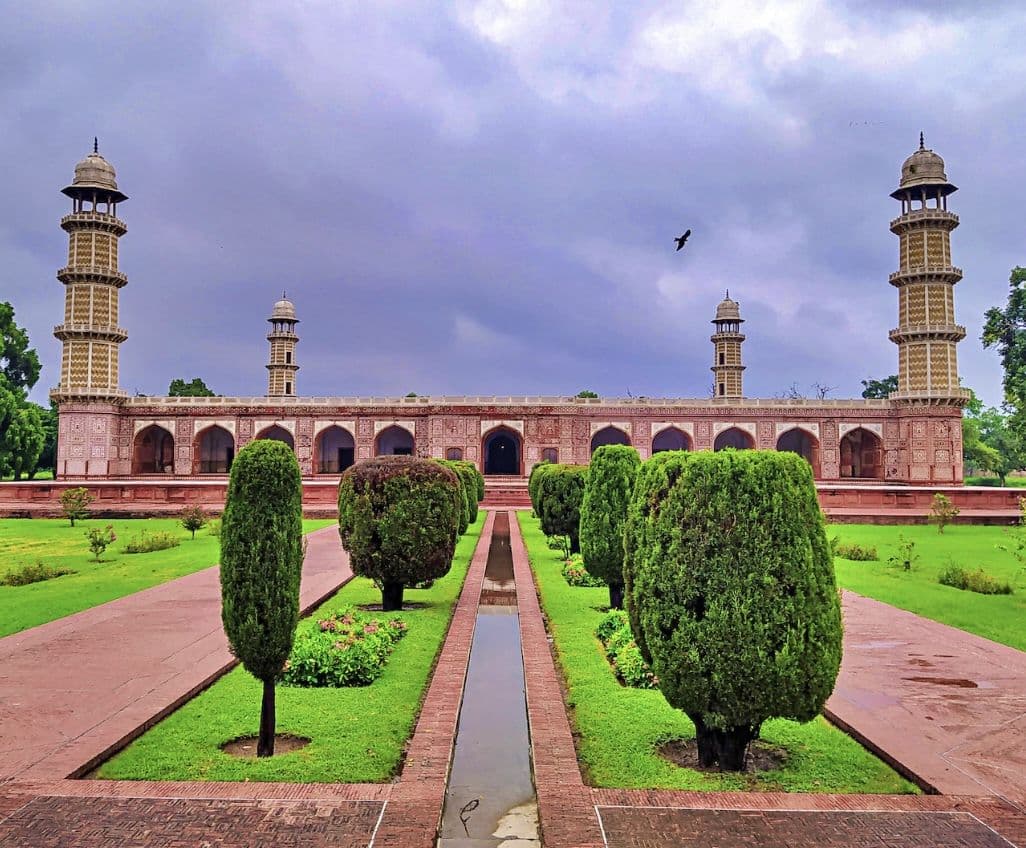
Tomb Of Jahangir Lahore: History, Significance, and Visitor Experience
The Tomb of Jahangir, located in Lahore, Pakistan, is not just a mausoleum; it is a symbol of the rich cultural heritage and architectural brilliance of the Mughal Empire. This magnificent structure, built in honor of the Mughal Emperor Jahangir, reflects the grandeur and artistic excellence of a bygone era. In this article, we will explore the history and origins of this iconic site, its highlights and features, cultural significance, what you can see and do during your visit, tips for the best experience, and much more.
Whether you are a history buff, an architecture enthusiast, or simply seeking to immerse yourself in the vibrant culture of Pakistan, the Tomb of Jahangir offers a captivating journey into the past. Join us as we delve into the various aspects of this historical marvel, providing you with all the information you need to plan your visit effectively.
History & Origins
The Tomb of Jahangir was commissioned by his beloved wife, Empress Nur Jahan, shortly after his death in 1627. Nestled in the vibrant city of Lahore, it stands as a poignant reminder of the Mughal Empire's opulence and artistry. The site was initially chosen by Jahangir himself, as he expressed a desire to be buried in the beautiful gardens he loved during his lifetime. The construction of the tomb was completed in 1637, and it showcases the exquisite craftsmanship of that era.
- Construction Date: Completed in 1637.
- Architectural Style: A blend of Persian and Mughal architectural elements.
- Location: Situated in Shalimar Gardens, Lahore.
- Significance: Represents the Mughal Empire's artistic heritage and the love between Jahangir and Nur Jahan.
The Life of Jahangir
Jahangir, the fourth ruler of the Mughal Empire, was known for his love of art, nature, and justice. His reign marked a significant period of cultural flourishing in the empire. This passion for beauty is clearly reflected in the architecture of his tomb, with intricate carvings, beautiful floral patterns, and lush gardens surrounding the structure.
Architectural Highlights
The tomb is a stunning example of Mughal architecture, featuring a square layout with a large central dome, surrounded by symmetrical gardens. The use of white marble and red sandstone adds to its grandeur, making it a visual feast for visitors. The intricate inlay work, particularly the use of semi-precious stones, highlights the artisanship of the time.
Highlights & Features
The Tomb of Jahangir is renowned for its architectural beauty and historical significance. Visitors are often captivated by the intricate design elements and the serene atmosphere that surrounds the site. Here are some of the highlights that make this tomb a must-visit:
- Exquisite Gardens: The tomb is set in beautifully landscaped gardens that embody the Mughal love for nature.
- Intricate Inlay Work: The use of semi-precious stones in the tomb's decoration is a testament to the craftsmanship of the era.
- Central Dome: The grand dome stands as a focal point, symbolizing the connection between the earth and the heavens.
- Historical Significance: The tomb represents the legacy of Jahangir and the artistic achievements of the Mughal Empire.
Visitors' Favorite Spots
While exploring the tomb, visitors often find themselves drawn to specific areas that showcase its beauty. The following locations within the tomb complex are particularly popular:
- The Main Mausoleum: Where the tomb of Jahangir is located, surrounded by stunning floral designs.
- Nur Jahan's Tomb: Close to Jahangir's, this tomb is a tribute to his beloved wife and equally exquisite.
- Garden Pathways: The pathways leading to the mausoleum are lined with beautiful flowers and plants, enhancing the tranquil atmosphere.
Cultural Significance
The Tomb of Jahangir is not merely a burial site; it is a vital piece of Pakistan’s cultural history. It symbolizes the artistic and architectural achievements of the Mughal Empire, which had a profound influence on South Asian art and culture. The tomb is also a reflection of the values and beliefs that characterized the Mughal era, particularly the emphasis on the relationship between nature and architecture.
- Symbol of Love: The tomb is a testament to the love story between Jahangir and Nur Jahan, representing enduring love even after death.
- Artistic Heritage: The intricate design and craftsmanship are celebrated as exemplary works of Mughal art.
- Tourism and Education: The site attracts historians, students, and tourists, making it an essential educational resource.
Festivals and Events
Cultural events and festivals often take place at the Tomb of Jahangir, offering visitors a chance to experience local traditions and celebrations. These events usually include music performances, art exhibitions, and guided tours, which help to further enrich the cultural experience.
What to See & Do
A visit to the Tomb of Jahangir can be a delightful experience filled with exploration and discovery. Here are some activities and sights you shouldn’t miss during your trip:
- Guided Tours: Engage with knowledgeable guides who can share stories and insights about the tomb's history.
- Photography: Capture stunning photographs of the intricate architecture and beautiful gardens.
- Nature Walks: Enjoy leisurely strolls through the gardens, taking in the lush greenery and serene atmosphere.
- Art Appreciation: Observe the detailed craftsmanship and artistic styles that define Mughal architecture.
Photography Tips
For photography enthusiasts, the Tomb of Jahangir provides ample opportunities to capture breathtaking images. Here are some tips to make the most of your photography experience:
- Golden Hour: Visit during the early morning or late afternoon for the best natural lighting.
- Wide-Angle Lens: Use a wide-angle lens to capture the full grandeur of the tomb and its surroundings.
- Details Matter: Focus on the intricate details of the inlay work and floral patterns for stunning close-ups.
The Visitor Experience
The experience of visiting the Tomb of Jahangir is often described as peaceful and enlightening. The serene environment allows visitors to reflect on the history and artistry that surrounds them. Here’s what you can expect during your visit:
- Entrance Fee: There is a nominal entry fee that helps maintain the site.
- Opening Hours: The tomb is open daily from 9 AM to 6 PM, giving ample time for exploration.
- Facilities: Restroom facilities and refreshment options are available nearby.
- Guided Tours: Available for those interested in a deeper understanding of the site’s history and significance.
Accessibility
The Tomb of Jahangir is accessible to visitors of all ages, with well-maintained pathways and seating areas for rest. However, it's advisable to wear comfortable shoes as you may need to walk around the extensive gardens.
Location & How to Get There
The Tomb of Jahangir is conveniently located within the city of Lahore, making it easily accessible for both local and international tourists. Here are some details on reaching this historical site:
- Address: Shalimar Gardens, Lahore, Pakistan.
- Transport Options: Accessible by taxi, rickshaw, or personal vehicle; public transport options are also available.
- Parking: Ample parking space is available for visitors driving to the site.
- Nearby Landmarks: Close to other historical sites like the Lahore Fort and Badshahi Mosque.
Public Transport Tips
If you are using public transport, buses and rickshaws are common modes of transport in Lahore. Make sure to confirm your route and check for the nearest bus stops to ensure a smooth journey.
Best Time to Visit
The best time to visit the Tomb of Jahangir is during the cooler months, from October to March. This period offers pleasant weather, making it ideal for exploring the gardens and the intricate architecture without the discomfort of extreme heat. However, early mornings or late afternoons can also be enjoyable during the summer months.
- Peak Season: October to March is the peak tourist season.
- Off-Peak Season: May to September can be very hot, but fewer crowds are expected.
- Special Events: Check local calendars for any cultural events or festivals that may coincide with your visit.
Nearby Attractions
While visiting the Tomb of Jahangir, take advantage of its proximity to other historical attractions in Lahore. Here are some notable sites you should consider exploring:
- Lahore Fort: A UNESCO World Heritage Site, this fort is rich in history and architectural beauty.
- Badshahi Mosque: One of the largest mosques in Pakistan, known for its stunning red sandstone architecture.
- Shalimar Gardens: A beautiful example of Mughal garden design, located just a stone's throw away.
- Minar-e-Pakistan: A national monument commemorating the Lahore Resolution.
Pro Tips for Visiting Tomb Of Jahangir Lahore
- Visit Early: Arrive early to avoid crowds and enjoy a peaceful experience.
- Carry Water: Stay hydrated, especially during warmer months; carry a bottle of water with you.
- Dress Appropriately: Wear comfortable clothing and shoes suitable for walking.
- Plan for Photography: If photography is your passion, consider visiting during the golden hour for stunning light.
- Respect the Site: Be mindful of the historical significance and follow any posted guidelines.
Quick Facts
| Fact | Details |
|---|---|
| Location | Shalimar Gardens, Lahore, Pakistan |
| Best Time to Visit | October to March |
| Entry Fee | Nominal fee applicable |
| Nearby Attractions | Lahore Fort, Badshahi Mosque, Shalimar Gardens |
| Time Needed | 2-3 hours recommended |
Frequently Asked Questions
What is the history behind the Tomb of Jahangir?
The Tomb of Jahangir was built by his wife, Nur Jahan, shortly after his death in 1627. It reflects the grandeur of the Mughal Empire and is a symbol of their love.
What are the opening hours of the Tomb?
The tomb is open daily from 9 AM to 6 PM, allowing visitors ample time to explore its beauty.
Is there an entry fee for the Tomb of Jahangir?
Yes, there is a nominal entry fee that helps maintain the tomb and its gardens.
How do I get to the Tomb of Jahangir?
The tomb is easily accessible by taxi, rickshaw, or personal vehicle, with ample parking available for visitors.
What should I wear when visiting?
It is advisable to wear comfortable clothing and shoes suitable for walking, as you will be exploring the gardens and the site.
Conclusion
The Tomb of Jahangir stands as a magnificent tribute to one of the most celebrated emperors of the Mughal Empire. Its architectural splendor, rich history, and tranquil gardens make it a must-visit destination for anyone exploring Lahore. By immersing yourself in this historical site, you will not only gain insight into the Mughal era but also appreciate the love story that inspired its creation. Plan your visit today and experience the beauty and significance of the Tomb of Jahangir for yourself.