Shalimar Gardens Lahore: All You Need To Know
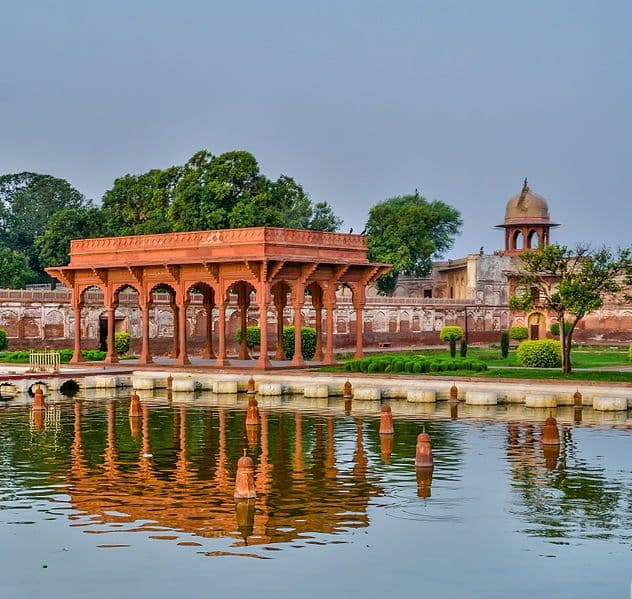
Shalimar Gardens Lahore: All You Need To Know
Shalimar Gardens, a stunning historical landmark located in the heart of Lahore, Pakistan, is a testament to Mughal architecture and landscape design. This UNESCO World Heritage Site is renowned for its exquisite beauty, intricate terraced gardens, and rich history, making it a must-visit for travelers and locals alike. In this comprehensive guide, we will explore the gardens' history, highlights, cultural significance, visitor experiences, and practical information to ensure you make the most of your trip to this iconic site.
Whether you're a history buff, a nature enthusiast, or someone seeking a peaceful retreat from the city's hustle and bustle, Shalimar Gardens offers something for everyone. You will learn about the gardens' origins, what to see and do during your visit, tips for navigating the area, and the best time to experience this beautiful landscape. So, let’s dive into the world of Shalimar Gardens and discover all you need to know before you visit.
History & Origins
The Shalimar Gardens were commissioned by the Mughal Emperor Shah Jahan in 1641, who is also known for the construction of the Taj Mahal. The gardens were designed as a symbol of love for his wife, Mumtaz Mahal, and served as a royal retreat. The design of Shalimar Gardens is heavily influenced by Persian garden traditions, showcasing the Mughal inclination towards creating paradisiacal landscapes that harmonize with nature.
- Established: 1641 AD
- Location: Lahore, Pakistan
- UNESCO World Heritage Site: Designated in 1981
- Architecture Style: Mughal Garden design
- Area: Approximately 16 acres
The Mughal Influence
The Mughal Empire had a profound influence on the architecture and garden design in South Asia. Shalimar Gardens exemplify this influence through their structured layout, water features, and lush greenery, which were intended to represent paradise on earth. The gardens are divided into three main terraces, each with its unique features, showcasing the grandeur of Mughal design.
- The first terrace is the largest and features a series of fountains and pools.
- The second terrace houses a variety of flowering plants and trees, creating an idyllic atmosphere.
- The third terrace, the most private, was reserved for the royal family.
Highlights & Features
Shalimar Gardens is not just a feast for the eyes; it is also a location rich with historical significance and architectural marvels. Visitors can explore an array of features that showcase the gardens' beauty and intricate design. The highlights include stunning fountains, flower beds, and a variety of trees, all contributing to the serene environment.
- Fountains: The gardens boast an impressive series of fountains, including the famous ‘Shalimar Fountains’ that create a mesmerizing visual display.
- Terraces: The three terraced levels provide a unique perspective and different experiences as you move through the gardens.
- Water Channels: The gardens are interspersed with water channels that enhance the tranquil setting and reflect the Mughal love for water features.
- Architectural Elements: Intricate carvings and designs on the pavilions add to the historical charm of the gardens.
- Flora: A diverse range of plants and flowers, including roses and jasmine, fill the gardens with vibrant colors and fragrances.
Cultural Significance
Shalimar Gardens hold immense cultural significance not only for Lahore but for Pakistan as a whole. They are a symbol of the rich heritage of the Mughal Empire and reflect the artistic and architectural prowess of the time. The gardens serve as a reminder of the grandeur of the Mughal era and continue to be a source of inspiration for artists, poets, and historians.
- Symbol of Love: The gardens represent Shah Jahan's love for Mumtaz Mahal.
- Cultural Events: The gardens host various cultural events and festivals, promoting local traditions and arts.
- Artistic Inspiration: Many poets and artists have drawn inspiration from the beauty of Shalimar Gardens.
- Historical Site: The site serves as an important educational resource for historians and students of architecture.
- Community Space: Locals often gather in the gardens for picnics, leisure activities, and family outings.
What to See & Do
Visitors to Shalimar Gardens will find a plethora of activities and sights to explore. From leisurely strolls through the gardens to appreciating the intricate architecture, there is something for everyone. Here are some activities that you should not miss:
- Photography: The picturesque landscapes and water features create perfect opportunities for stunning photographs.
- Guided Tours: Consider taking a guided tour to learn more about the history and significance of the gardens.
- Relaxation: Find a quiet spot to relax and enjoy the tranquil environment away from the city’s noise.
- Floral Exploration: Spend time identifying the various species of plants and flowers found in the gardens.
- Cultural Performances: Check for any local performances or events taking place during your visit.
The Visitor Experience
Your visit to Shalimar Gardens will be enhanced by the overall experience of the site. The gardens are well-maintained and offer a peaceful atmosphere, making it an ideal location for families, couples, or solo travelers. The serene environment, combined with the historical significance, allows visitors to connect with the past while enjoying the beauty of nature.
- Accessibility: The gardens are accessible to all, including those with mobility issues, with paved pathways throughout.
- Visitor Facilities: Facilities such as restrooms and refreshment stalls are available within the gardens.
- Guided Visits: Local guides are available to provide insights into the gardens’ history and features.
- Picnic Areas: Designated areas for picnics make it a great spot for family outings.
- Safety: The gardens are generally safe for visitors, but it’s always wise to keep an eye on personal belongings.
Location & How to Get There
Shalimar Gardens is conveniently located in Lahore, making it easily accessible for both local and international visitors. The gardens are situated near the famous Grand Trunk Road, which connects several key locations in the city. Here are some options for reaching the gardens:
- By Car: The gardens are easily reachable by car, with ample parking available nearby.
- Public Transport: Various buses and rickshaws serve the area, making it accessible to those using public transportation.
- Walking: For those staying nearby, walking to the gardens is a pleasant option, allowing you to explore the local area.
- Ride-Hailing Services: Services like Careem and Uber are readily available in Lahore for a convenient ride to the gardens.
- Landmarks: Look for prominent landmarks such as the Lahore Fort or Badshahi Mosque, which are close by.
Best Time to Visit
The best time to visit Shalimar Gardens is during the cooler months of the year, typically from October to March. During this period, the weather is pleasant, making it ideal for strolling through the gardens and enjoying the sights. Here are some considerations for timing your visit:
- Weather: The temperature is more comfortable, avoiding the heat of summer.
- Spring Bloom: Visiting during spring allows you to see a variety of flowers in full bloom.
- Weekdays: Weekdays are less crowded compared to weekends, providing a more tranquil experience.
- Festivals: Consider visiting during local festivals for a chance to experience cultural events.
- Morning Hours: Early morning visits offer cooler temperatures and beautiful sunrise views.
Nearby Attractions
While Shalimar Gardens is undoubtedly a highlight of Lahore, there are several other attractions nearby that can enhance your visit. Exploring these sites can provide a fuller understanding of Lahore’s rich history and culture.
- Lahore Fort: A UNESCO World Heritage Site, this historic fort is located just a short distance from the gardens.
- Badshahi Mosque: One of the largest mosques in Pakistan, this stunning architectural masterpiece is nearby.
- Minar-e-Pakistan: A national monument commemorating the Lahore Resolution, it's worth a visit for its historical significance.
- Data Darbar: One of the oldest shrines in Lahore, offering a glimpse into the spiritual side of the city.
- Shah Jahan Mosque: A beautiful mosque showcasing Mughal architecture, located in the nearby area.
Pro Tips for Visiting Shalimar Gardens Lahore All You Need To Know
- Best Time: Visit early in the morning or late afternoon to avoid crowds and enjoy cooler temperatures.
- What to Carry: Bring a water bottle, camera, and comfortable walking shoes for an enjoyable experience.
- Photography: The gardens provide stunning backdrops for photography, so make sure to capture the beauty around you.
- Avoiding Crowds: Plan your visit on a weekday to enjoy a quieter atmosphere, especially during peak tourist seasons.
- Local Guides: Consider hiring a local guide to enrich your experience with historical insights and stories.
Quick Facts
| Fact | Details |
|---|---|
| Location | Lahore, Pakistan |
| Best Time to Visit | October to March |
| Entry Fee | Minimal fee for Pakistani citizens; higher for foreigners |
| Nearby Attractions | Lahore Fort, Badshahi Mosque, Minar-e-Pakistan |
| Time Needed | 2 to 3 hours |
Frequently Asked Questions
What is the entry fee for Shalimar Gardens?
The entry fee for Shalimar Gardens varies depending on your nationality. Pakistani citizens usually pay a minimal fee, while foreign visitors might face a slightly higher charge. It's advisable to check the latest rates before your visit.
Are there guided tours available at the gardens?
Yes, guided tours are available and can enhance your experience by providing detailed historical context and insights about the gardens. Local guides are knowledgeable and can offer a deeper understanding of the Mughal architecture and design.
Can I take photographs in the gardens?
Absolutely! Photography is encouraged in Shalimar Gardens. The stunning landscapes, fountains, and historical features make for beautiful pictures. Just be respectful of other visitors and avoid using tripods in crowded areas.
Is Shalimar Gardens accessible for people with disabilities?
Shalimar Gardens are designed to be accessible to all visitors, including those with mobility challenges. The pathways are paved, and there are several resting spots throughout the gardens to ensure comfort during your visit.
What are the opening hours of Shalimar Gardens?
Shalimar Gardens typically open early in the morning and close by sunset. However, hours may vary seasonally, so it’s best to check local listings or inquire at your hotel for current opening times before your visit.
Conclusion
Shalimar Gardens is more than just a beautiful landscape; it is a vivid representation of the Mughal Empire's legacy and a sanctuary of tranquility amidst the vibrant city of Lahore. With its rich history, stunning architecture, and serene environment, it offers an unforgettable experience for all who visit. Whether you're wandering through the terraced levels, capturing photographs of the fountains, or simply enjoying the lush greenery, Shalimar Gardens invites you to immerse yourself in its beauty and history. Don't miss the opportunity to explore this magnificent site on your next visit to Lahore!