Mughal Art in Pakistan: Beauty, History and Timeless Craft
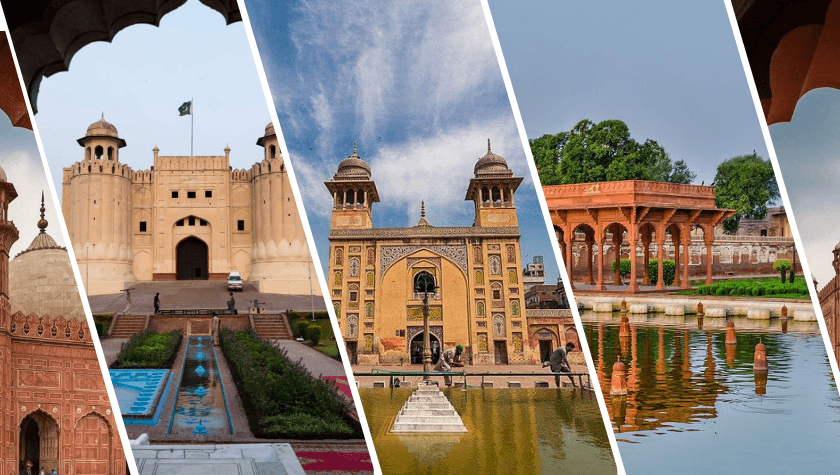
Pakistan is a land rich in history and culture. One of the most amazing parts of this history is Mughal art, a style of art that came to life during the Mughal Empire from the 16th to 18th centuries. This art still inspires people today because of its beauty, detail, and deep meaning.
What Is Mughal Art?
Mughal art is a mix of Persian, Indian, Turkish, and Islamic styles. The Mughal rulers were great supporters of artists, architects, and craftsmen. They encouraged beautiful paintings, detailed architecture, and rich decorations that showed both power and culture.
Mughal Painting (Miniatures)
A main form of Mughal art was miniature painting. These paintings were not large wall pieces; instead, they were tiny, delicate works of art used in books or albums. These paintings often show scenes from court life, historical events, animals, nature, and portraits of rulers.
The colours and design in these miniatures are very bright and detailed. Many painters used gold and silver in the artwork, especially during the reign of great emperors like Jahangir and Shah Jahan, to make the images look rich and royal.
Mughal Architecture in Pakistan
Mughal art is also famous in architecture, beautiful buildings and structures with perfect symmetry, domes, gardens, and carved decorations. Some stunning Mughal buildings in Pakistan include:
Badshahi Mosque (Lahore)
The Badshahi Mosque was built in 1673 by Emperor Aurangzeb. It is one of the largest mosques in the world. The mosque is famous for its red sandstone walls, white marble domes, and large open courtyard. It is a masterpiece of Mughal architecture.
Wazir Khan Mosque (Lahore)
The Wazir Khan Mosque is known for its colourful tile work and detailed wall paintings. Built in 1634 during Shah Jahan’s rule, it is one of the most beautiful examples of Mughal art in Pakistan.
Lahore Fort (Shahi Qila) (Lahore)
The Lahore Fort is a UNESCO World Heritage Site. Inside the fort, you can see the famous Sheesh Mahal (Palace of Mirrors) and Naulakha Pavilion. The fort shows fine Mughal design, carvings, and mirror work.
Shah Jahan Mosque (Thatta)
The Shah Jahan Mosque was built in the 17th century. It is famous for its blue tile decoration and beautiful brick structure. The mosque has amazing sound design, where even a small voice can be heard clearly.
Mahabat Khan Mosque (Peshawar)
The Mahabat Khan Mosque was built in 1630. It is known for its white marble structure and beautiful arches. It reflects classic Mughal style with a simple but elegant design.
Shalimar Garden (Lahore)
The Shalimar Gardens were built by Shah Jahan in 1641. These gardens show the Mughal love for nature and symmetry. The fountains, terraces, and green lawns create a peaceful and royal atmosphere.
Features of Mughal Art
Mughal art in Pakistan is known for:
Intricate designs, every line has meaning and beauty.
Floral patterns and geometric designs are commonly found in paintings and building designs.
Use of bright colours and gold, especially in miniatures and decorations.
Elegant gardens and symmetry are classic in Mughal architecture.
Why Mughal Art Matters Today?
Mughal art is more than old drawings or buildings. It illustrates how cultures intersected and evolved together. It shows a time when art was a way to share stories, religion, and ideas. Today, this art attracts visitors from around the world and helps Pakistan celebrate its rich cultural heritage.
Whether in detailed paintings or grand architectural wonders, Mughal art in Pakistan remains a symbol of beauty, creativity, and history. It connects the past with the present and inspires artists and travellers everywhere.