Gandhara Civilization in Pakistan
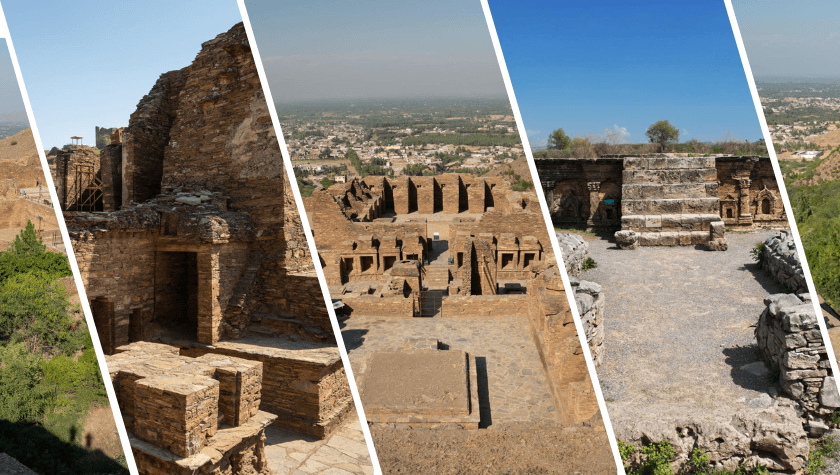
Gandhara Civilization is one of the most important and fascinating parts of Pakistan’s ancient history. It is famous for its beautiful art, Buddhist heritage, and strong cultural connections with many ancient empires. Gandhara was not just a kingdom. It was a centre of learning, trade, and religious harmony.
Where Was Gandhara Located?
Gandhara was located in the northern parts of present-day Pakistan and eastern Afghanistan. In Pakistan, the main areas included:
Taxila
Peshawar
Swat Valley
Mardan
Today, many ruins and historical sites from Gandhara can still be seen in these regions.
History of Gandhara Civilisation
Early Period
Gandhara Civilization started around the 6th century BCE. It was first mentioned in ancient Indian texts and later in Persian records. The region was ruled by different empires over time.
Persian and Greek Influence
Gandhara became part of the Persian Empire. Later, Alexander the Great conquered the region in 327 BCE. After him, Greek rulers stayed in the area and influenced local culture and art.
Mauryan Rule and Buddhism
During the rule of Emperor Ashoka in the 3rd century BCE, Buddhism spread widely in Gandhara. Many stupas and monasteries were built during this time.
Kushan Empire and Golden Age
The golden period of Gandhara was during the Kushan Empire, especially under King Kanishka in the 1st and 2nd centuries CE. Buddhism flourished, and Gandhara art reached its peak.
Famous Gandhara Sites in Pakistan
Taxila
Taxila was an important city of Gandhara. It was a major center of education and trade. Students from different regions came here to study. Today, the ruins of Taxila are a UNESCO World Heritage Site.
Takht-i-Bahi
Takht-i- Bahi is a famous Buddhist monastery located near Mardan. It is one of the best-preserved Buddhist sites in Pakistan and is also a UNESCO World Heritage Site.
Swat Valley
Swat Valley was another important centre of Buddhism in Gandhara. Many statues and stupas were found there.
Gandhara Art and Architecture
Gandhara is especially famous for its unique art style.
Buddha Statues
The most special feature of Gandhara art is the statues of Buddha. These statues show Greek and Roman influence. The Buddha is shown with curly hair and detailed clothes.
Use of Stone
Artists used grey stone called schist to make statues. The carving was very detailed and realistic.
Stupas and Monasteries
Gandhara architecture includes stupas, monasteries, and prayer halls. These buildings were used for worship and education.
Religion in Gandhara
Buddhism was the main religion in Gandhara, especially during the Kushan period. However, people of different religions also lived peacefully in the region. This shows that Gandhara was a place of tolerance and harmony.
Importance of the Gandhara Civilization
Gandhara Civilization is important for many reasons:
It spread Buddhism to Central Asia and China
It connected East and West through trade routes
It produced world-famous art
It became a center of education and culture
Today, Gandhara is an important part of Pakistan’s cultural heritage.
Decline of Gandhara
Gandhara started to decline after the 5th century CE due to invasions by the Huns. Over time, Buddhism decreased in the region, and many cities were abandoned.
Conclusion
Gandhara Civilisation in Pakistan is a proud chapter of our history. It demonstrates how different cultures coexisted and created something beautiful and unique. From Taxila to Takht-i-Bahi, the remains of Gandhara still tell stories of knowledge, peace, and artistic excellence.
Understanding Gandhara helps us understand the rich and diverse history of Pakistan. It reminds us that our land has always been a meeting place of great civilizations.
Book your trip now
https://www.travelpakistani.com/products/9-days-indus-civilization-tour/975
https://www.travelpakistani.com/products/one-day-trip-to-takht-i-bahi/968