K2 Museum Skardu: A Gateway to the World’s Second Highest Peak
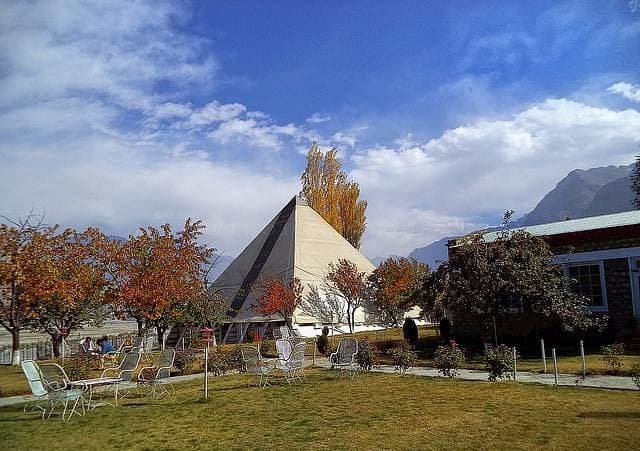
K2 Museum Skardu: A Gateway to the World’s Second Highest Peak
Nestled in the breathtaking landscapes of northern Pakistan, the K2 Museum in Skardu is a tribute to the world’s second-highest mountain, K2. This museum serves as a treasure trove of information, artifacts, and stories related to the majestic peak and its surrounding regions. As you delve into this article, you will discover the rich history of the museum, its architectural features, cultural significance, and what visitors can expect when exploring this remarkable site.
Whether you are an avid mountaineer, a history enthusiast, or a traveler seeking to understand the cultural heritage of the region, the K2 Museum offers an enriching experience. You will learn about the various displays, the significance of K2 in the mountaineering community, nearby attractions, and practical tips for your visit. So, pack your bags and prepare for an adventure into the heart of the Karakoram!
History & Origins
The K2 Museum was established to commemorate the rich mountaineering history associated with K2, known as 'Chhogori' in the local Balti language. The mountain has long captivated adventurers and climbers from around the globe, and the museum plays a crucial role in preserving this legacy. Initially opened in 2015, the museum has grown to include various exhibits that tell the stories of climbers who bravely faced the challenges of K2.
- Established: 2015
- Purpose: To honor the mountaineering history and culture surrounding K2.
- Exhibits: Artifacts, photographs, and stories of climbers.
- Significance: A cultural landmark for both locals and international visitors.
Early Expeditions
The history of K2 is intertwined with numerous expeditions, each filled with tales of triumph and tragedy. The first successful ascent of K2 was achieved by an Italian expedition in 1954, marking a significant milestone in the world of mountaineering.
- First Ascent: 1954 by Lino Lacedelli and Achille Compagnoni.
- Notable Expeditions: Numerous attempts before the first successful ascent.
- Challenges Faced: Extreme weather, technical difficulty, and altitude sickness.
Architecture & Features
The architecture of the K2 Museum is as striking as the mountain itself. Designed with a blend of modern and traditional styles, the museum features natural materials that reflect the surrounding mountainous landscape. The building’s design incorporates elements that echo the local Balti culture, making it a harmonious addition to Skardu's stunning scenery.
- Design: A blend of modern architecture with traditional Balti elements.
- Materials: Locally sourced stone and wood.
- Exhibition Space: Multiple galleries showcasing various aspects of K2.
- Landscaping: Beautiful gardens and pathways enhance the visitor experience.
Interior Features
Inside the K2 Museum, visitors will find various exhibits that highlight the mountain’s significance. The layout is thoughtfully designed to guide visitors through the history of K2, providing insights into the challenges faced by climbers.
- Exhibits: Artifacts, photographs, and personal stories of climbers.
- Interactive Displays: Engaging installations for a memorable experience.
- Visitor Center: Information desk and resources for planning expeditions.
Cultural & Religious Significance
K2 is not only a mountaineering challenge but also holds deep cultural and religious significance for the local communities. The indigenous Balti people view the mountain as a sacred entity, and it plays a vital role in their cultural identity and traditions. The K2 Museum serves as a bridge between the world of adventure and the rich cultural tapestry of the region.
- Local Beliefs: K2 is revered by the Balti people as a sacred mountain.
- Cultural Events: Festivals and gatherings celebrate the mountain and its legends.
- Art & Literature: Numerous works inspired by K2’s majesty.
Balti Culture
The Balti culture, deeply rooted in Tibetan traditions, is showcased in the museum through various exhibits. Visitors can learn about the lifestyle, customs, and daily challenges faced by the Balti people living in the shadow of K2.
- Traditional Clothing: Displays of local attire and craftsmanship.
- Folklore: Stories and legends related to K2 and its surrounding areas.
- Cuisine: Information on local delicacies and culinary traditions.
What to See & Do
A visit to the K2 Museum Skardu promises a plethora of engaging activities and sights. The museum itself is an educational hub, but the surrounding area offers stunning landscapes and thrilling adventures. From trekking to photography, there is something for everyone.
- Trekking: Explore nearby trails leading to scenic viewpoints of K2.
- Photography: Capture the breathtaking beauty of the Karakoram range.
- Guided Tours: Available for deeper insights into the exhibits and local culture.
- Workshops: Participate in cultural workshops offered by local artisans.
Photography Opportunities
For photography enthusiasts, the K2 Museum and its surroundings offer incredible opportunities to capture stunning images. The unique architecture of the museum against the backdrop of the towering mountains creates a perfect frame for breathtaking photographs.
- Golden Hour: Best time for dramatic lighting and shadow play.
- Wildlife Photography: Keep an eye out for local fauna.
- Scenic Views: Various viewpoints around the museum for panoramic shots.
The Visitor Experience
The visitor experience at the K2 Museum Skardu is designed to be enriching and memorable. From the moment you enter the museum, you are greeted by friendly staff who are eager to share their knowledge. The ambiance is inviting, making it a perfect place to learn about the majestic K2 and its significance.
- Guided Tours: Available daily for an in-depth understanding of exhibits.
- Visitor Amenities: Cafeteria and gift shop on-site.
- Accessibility: Wheelchair accessible facilities.
- Opening Hours: Typically open from 9 AM to 5 PM.
Visitor Feedback
Feedback from visitors highlights the museum's informative displays and the helpfulness of the staff. Many have expressed their appreciation for the cultural insights gained during their visit.
- Positive Reviews: Visitors commend the well-curated exhibits.
- Suggestions: Some recommend more interactive displays for children.
- Community Involvement: The museum often collaborates with local schools for educational programs.
Location & How to Get There
The K2 Museum is located in Skardu, a picturesque valley in the Gilgit-Baltistan region of Pakistan. Skardu serves as a gateway for trekkers and climbers heading to K2 and other peaks in the Karakoram range. Getting to Skardu can be an adventure in itself, with several travel options available.
- By Air: Domestic flights operate from Islamabad to Skardu.
- By Road: Accessible via the Karakoram Highway, offering stunning views.
- Local Transport: Taxis and rickshaws are available within Skardu for easy travel.
Travel Tips
Traveling to Skardu can present challenges due to weather conditions and road accessibility. It’s advisable to check local travel advisories and plan accordingly. Ensure that your travel arrangements are in place well in advance, especially during peak tourist seasons.
- Weather Awareness: Be mindful of changing weather conditions, especially in winter.
- Local Guides: Hiring a local guide can enhance your experience and ensure safety.
- Travel Insurance: Highly recommended for adventure travelers.
Best Time to Visit
The best time to visit the K2 Museum and Skardu is during the spring and summer months, when the weather is mild and the landscapes are vibrant. Each season offers a unique perspective of the region, but the ideal months for most travelers are from April to September.
- Spring (April - June): Mild temperatures and blooming flowers make it picturesque.
- Summer (July - September): Ideal for trekking and outdoor activities.
- Autumn (October): Beautiful fall colors, but cooler weather.
- Winter (November - March): Harsh conditions; recommended for experienced adventurers.
Seasonal Highlights
Each season in Skardu has its unique charm. Spring welcomes blooming landscapes, while summer offers clear skies perfect for trekking. Autumn provides stunning fall foliage, and winter transforms the region into a snow-covered wonderland.
- Spring Festivals: Local cultural celebrations and events.
- Summer Trekking: Popular routes to K2 and other peaks.
- Autumn Photography: Capturing the beautiful season’s colors.
Nearby Attractions
While the K2 Museum is a must-visit, the Skardu region offers many other attractions worth exploring. From breathtaking lakes to historical forts, the area is rich in natural beauty and cultural heritage. Here are some nearby attractions that complement your visit to the museum.
- Shangrila Resort: A picturesque resort by the famous Shangrila Lake.
- Sheosar Lake: A stunning high-altitude lake offering breathtaking views.
- Skardu Fort: A historical fort with panoramic views of the Skardu valley.
- Deosai National Park: Known for its rich wildlife and vast plateaus.
Adventure Activities
Adventure seekers will find plenty to do in Skardu beyond the museum. The region is known for trekking, rock climbing, and even river rafting. Each activity promises an adrenaline rush against the backdrop of stunning landscapes.
- Trekking Routes: Various trails leading to K2 and other peaks.
- Rock Climbing: Opportunities for climbers of all experience levels.
- River Rafting: Thrilling experiences on the Indus River.
Pro Tips for Visiting K2 Museum Skardu
- Best Time: Visit during the early morning to avoid crowds and enjoy a peaceful experience.
- What to Carry: Bring a camera for photography, water, and snacks for your trip.
- Travel Arrangements: Plan your transportation in advance, especially during peak tourist seasons.
- Photography Tips: Early morning or late afternoon offers the best light for photography.
- Avoiding Crowds: Weekdays are less crowded compared to weekends.
Quick Facts
| Location | Best Time to Visit | Entry Fee | Nearby Attraction | Time Needed |
|---|---|---|---|---|
| Skardu, Gilgit-Baltistan, Pakistan | April - September | Free | Shangrila Resort | 2-3 hours |
| Skardu, Gilgit-Baltistan, Pakistan | April - September | Free | Deosai National Park | 2-3 hours |
| Skardu, Gilgit-Baltistan, Pakistan | April - September | Free | Skardu Fort | 1-2 hours |
Frequently Asked Questions
What are the opening hours of K2 Museum?
The K2 Museum is typically open from 9 AM to 5 PM, allowing visitors ample time to explore its exhibits. However, it's advisable to check for any special holiday schedules or events that may affect opening hours.
Is there an entry fee for the K2 Museum?
No, entry to the K2 Museum is free, making it accessible for all visitors. This encourages a wider audience to learn about the rich history of K2 and its significance in the mountaineering community.
Can I take photographs inside the museum?
Yes, photography is allowed inside the K2 Museum. Visitors are encouraged to capture the stunning exhibits and displays, though it's recommended to be respectful of other guests and the artifacts on display.
Are there guided tours available?
Yes, guided tours are available at the K2 Museum. These tours provide an in-depth understanding of the exhibits and the history of K2, making your visit more informative and engaging.
What should I wear when visiting Skardu?
When visiting Skardu, it's essential to dress in layers, as temperatures can vary significantly throughout the day. Comfortable walking shoes are recommended for exploring the museum and surrounding areas.
Conclusion
The K2 Museum Skardu is more than just a collection of artifacts; it is a celebration of human spirit, adventure, and the breathtaking beauty of the Karakoram range. Whether you are a history buff, an adventurer, or someone looking to immerse yourself in the local culture, this museum is a must-visit destination. By exploring the exhibits and learning about K2's storied past, you will gain a deeper appreciation for this magnificent mountain and the challenges it presents to climbers from around the world. Don't miss the chance to visit this unique landmark on your journey through Pakistan!
Related Landmarks
- Discovering Babusar Top: The Majestic Peak of Pakistan
- Discovering Skardu Fort: A Jewel of Pakistanx27s Northern Heritage
- Discover the Majestic Shandur Polo Ground: The Highest Polo Field in the World
- Explore the Wonders of the Pakistan Maritime Museum: A Gateway to Naval History
- Exploring the Thrilling World of Theme Parks in Pakistan