Exploring Duikar Hunza: A Majestic Overlook in the Heart of Pakistan
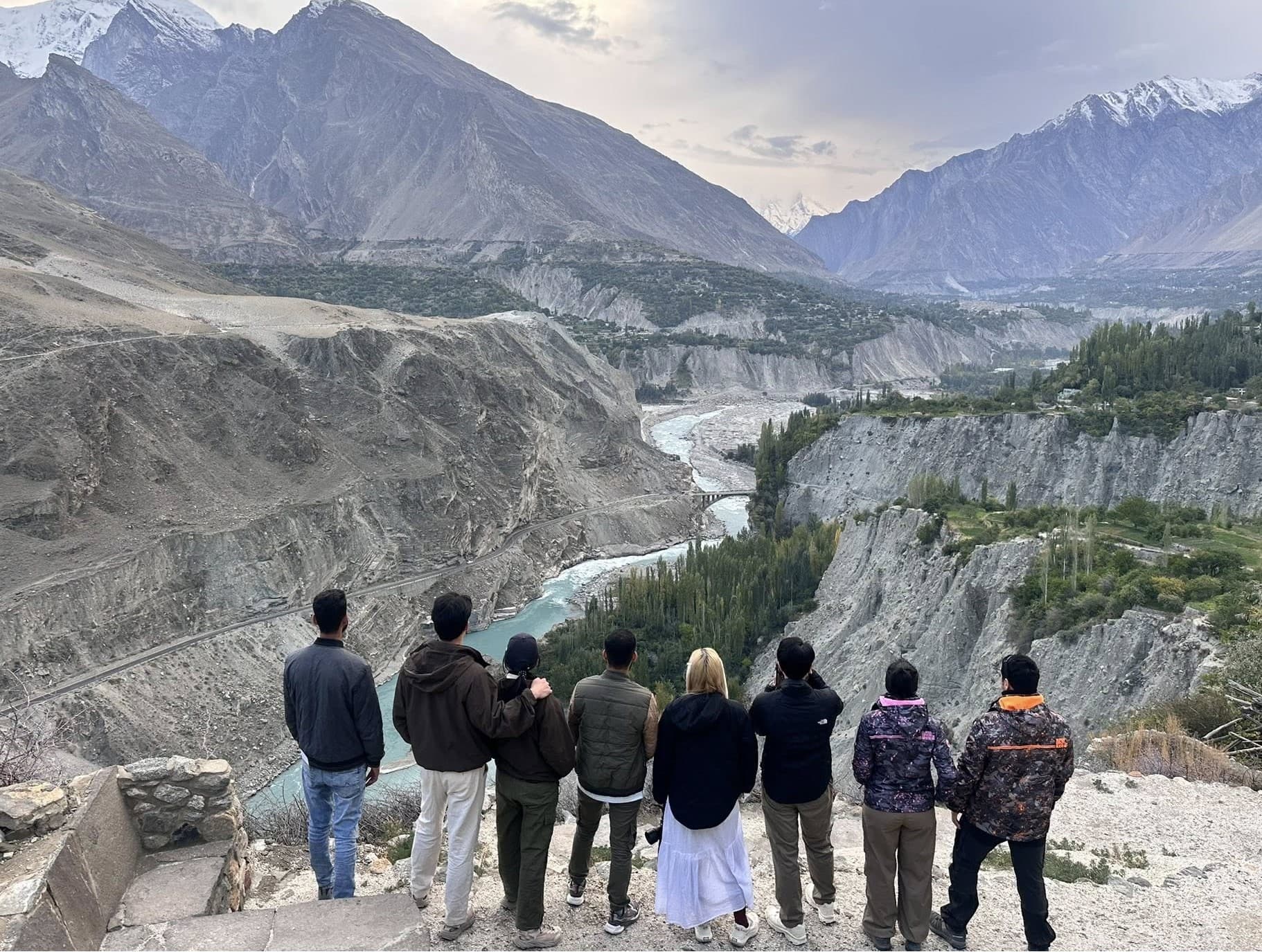
Exploring Duikar Hunza: A Majestic Overlook in the Heart of Pakistan
Perched high in the breathtaking Hunza Valley of Pakistan, Duikar Hunza is more than just a viewpoint; it is a gateway to some of the most stunning landscapes on the planet. This remarkable location offers panoramic views of the surrounding peaks, lush valleys, and the iconic Rakaposhi Mountain, attracting travelers seeking both adventure and tranquility. In this article, we will delve into the history, architecture, cultural significance, and visitor experience of Duikar Hunza, providing all the information you need for an unforgettable trip.
Whether you are a seasoned traveler or a first-time visitor, understanding the intricacies of Duikar Hunza will enhance your journey. From the best times to visit and nearby attractions to practical tips for navigating this picturesque area, you will find everything you need to make the most of your time at this enchanting landmark.
History & Origins
The history of Duikar Hunza is deeply intertwined with the rich cultural tapestry of the Hunza Valley. Known for its strategic position on ancient trade routes, the area has seen a multitude of civilizations pass through, each leaving its mark on the landscape.
- Ancient Trade Routes: Duikar has been a stop on the Silk Road, facilitating trade between Central Asia and the Indian subcontinent.
- Historical Significance: The region has been inhabited for thousands of years, with evidence of ancient fortresses and settlements nearby.
- Influence of Buddhism: The area was once a significant center for Buddhism, evident from the remnants of monasteries and stupas.
The Silk Road Connection
Duikar's position along the Silk Road contributed to its economic and cultural importance. Merchants and travelers would pass through this area, exchanging goods and ideas, which helped shape the diverse culture of Hunza.
Impact of Modernization
In recent years, Duikar has seen a shift in its landscape due to modernization, with an increase in tourism. However, efforts are underway to preserve its historical essence while accommodating visitors.
Architecture & Features
The architectural elements of Duikar Hunza reflect the traditional Balti and Hunza styles, characterized by the use of local materials and designs that harmonize with the natural surroundings. The structures here are not just buildings; they embody the cultural identity of the region.
- Traditional Houses: The houses are made from stone and wood, featuring intricate carvings that tell stories of the local heritage.
- Viewpoints: There are several designated viewpoints around Duikar that offer breathtaking vistas of the surrounding mountains and valleys.
- Local Amenities: The area has developed facilities for tourists, including guesthouses and small eateries that serve local cuisine.
Unique Architectural Features
The blend of traditional architecture with modern conveniences is evident in Duikar's structures. Many guesthouses have been designed to offer comfort while still reflecting the local style, providing visitors with an authentic experience.
Environmental Considerations
Efforts are being made to ensure that construction and tourism development do not harm the natural environment of Duikar. Sustainable practices are being promoted to maintain the area's beauty for future generations.
Cultural & Religious Significance
Duikar Hunza is not just a physical landmark; it is a symbol of the rich cultural and spiritual heritage of the Hunza Valley. The area is home to various communities, each contributing to the region's unique identity.
- Local Festivals: Duikar hosts several cultural festivals throughout the year that celebrate traditional music, dance, and cuisine.
- Religious Diversity: The valley is home to people of different faiths, including Ismaili Muslims, which influences the cultural practices and festivals in the area.
- Community Engagement: Local communities are actively involved in preserving their heritage and sharing it with visitors.
Festivals in Duikar
The vibrant festivals held in Duikar are a highlight for any visitor. Events like the Shandur Polo Festival and local music festivals showcase the rich traditions and communal spirit of the Hunza Valley.
Religious Sites
Visitors to Duikar can also explore various religious sites, such as mosques and shrines that reflect the spiritual life of the local communities. These sites often serve as gathering places for the community and are integral to the cultural fabric of the area.
What to See & Do
Duikar Hunza offers a plethora of activities that cater to various interests, from nature enthusiasts to cultural explorers. The stunning landscapes and rich culture make it a perfect destination for both relaxation and adventure.
- Trekking: There are numerous trekking routes around Duikar, including trails that lead to nearby peaks and valleys.
- Photography: The breathtaking views provide ample opportunities for photography, especially during sunrise and sunset.
- Local Cuisine: Sample traditional Hunza dishes at local eateries, which often use organic ingredients grown in the region.
Outdoor Activities
For adventure seekers, trekking is a must. The numerous trails ranging from easy walks to challenging hikes allow visitors to explore the natural beauty of Hunza.
Cultural Experiences
Engaging with local communities through cultural programs and workshops can enrich your visit. Learning about traditional crafts or participating in local cooking classes offers an authentic insight into the Hunza way of life.
The Visitor Experience
Visiting Duikar Hunza is an experience that transcends mere sightseeing. It is about immersing oneself in the culture, history, and breathtaking landscapes that define this remarkable region.
- Accommodations: A range of options from budget guesthouses to luxury hotels are available to suit different preferences.
- Guided Tours: Consider hiring a local guide who can provide valuable insights and enhance your understanding of the area.
- Transportation: Transportation options include local taxis, rental cars, or even organized tours from major cities like Gilgit.
What to Expect
Visitors can expect a warm welcome from the local community, who are known for their hospitality. The slower pace of life in Duikar allows for a peaceful retreat from the hustle and bustle of urban environments.
Safety and Accessibility
Duikar is generally safe for tourists, but it is advisable to stay informed about local conditions and travel advisories. Accessibility may vary, so planning ahead is essential for a smooth experience.
Location & How to Get There
Duikar Hunza is located in the northern part of Pakistan, within the breathtaking Hunza Valley. The region is accessible via several routes, making it a popular destination for both local and international tourists.
- Distance from Gilgit: Duikar is approximately 100 kilometers from Gilgit, the nearest major city.
- Travel Options: Travelers can reach Hunza via road, with options including private cars, buses, and organized tours from Gilgit.
- Scenic Journeys: The journey to Duikar offers stunning views of the Karakoram range, making the trip an adventure in itself.
Driving Directions
From Gilgit, take the Karakoram Highway (KKH) towards Hunza. The drive is scenic, winding through valleys and alongside rivers, providing an unforgettable travel experience.
Public Transport
Buses and vans are available from Gilgit to Hunza, typically departing several times a day. It is advisable to check schedules in advance, as they can change based on weather conditions.
Best Time to Visit
The best time to visit Duikar Hunza largely depends on what you seek from your experience. Each season brings its own charm, offering different perspectives on the breathtaking landscape.
- Spring (March to May): This season sees the blooming of cherry blossoms, making it a picturesque time to visit.
- Summer (June to August): The weather is warm and perfect for trekking and outdoor activities, though it can be crowded.
- Autumn (September to November): The fall colors are stunning, with fewer tourists and mild weather, ideal for photography.
- Winter (December to February): While cold, the snow-capped mountains offer a magical view, attracting those who enjoy winter sports.
Seasonal Highlights
Each season offers unique experiences, from the colorful blossoms of spring to the vibrant hues of autumn foliage. Choose the time that aligns with your interests for the best experience.
Crowd Management
If you prefer fewer crowds, consider visiting during the shoulder seasons of late spring or early autumn, when the weather is still pleasant, but the tourist influx is lower.
Nearby Attractions
The Hunza Valley is surrounded by numerous attractions that complement a visit to Duikar. Exploring these nearby sites can enrich your experience and provide a deeper understanding of the region's culture and history.
- Karimabad: The capital of Hunza, offering historical sites like Baltit Fort and Altit Fort.
- Passu Cones: Famous for its unique cone-shaped peaks, a must-see for nature lovers.
- Attabad Lake: A stunning turquoise lake formed by a landslide, ideal for boating and picnicking.
Historical Sites
The forts in Karimabad are a testament to the region's rich history. Baltit Fort, in particular, has been carefully restored and provides insight into the traditional architecture and lifestyle of the Hunza people.
Natural Wonders
Attabad Lake offers a serene environment for relaxation and recreational activities, while the stunning Passu Cones are perfect for photography and exploration.
Pro Tips for Visiting Duikar Hunza
- Best Time: Visit during the shoulder seasons of spring or autumn for pleasant weather and fewer tourists.
- What to Carry: Bring a good camera, comfortable shoes, and a light jacket for cooler evenings.
- Getting There: Consider hiring a local guide to enhance your experience and navigate the area more easily.
- Photography: Early morning or late afternoon light provides the best conditions for photography.
- Avoiding Crowds: Visit popular spots during off-peak hours to enjoy a more peaceful experience.
Quick Facts
| Category | Details |
|---|---|
| Location | Hunza Valley, Gilgit-Baltistan, Pakistan |
| Best Time to Visit | March to November |
| Entry Fee | Free |
| Nearby Attraction | Karimabad, Attabad Lake |
| Time Needed | 1-2 days to explore the area |
Frequently Asked Questions
What is the best way to reach Duikar Hunza?
The best way to reach Duikar Hunza is by road from Gilgit. You can hire a taxi or take a local bus that frequently travels along the Karakoram Highway.
Are there accommodation options in Duikar?
Yes, there are several guesthouses and hotels in and around Duikar that cater to various budgets, offering comfortable stays with stunning views.
Is it safe to travel to Duikar Hunza?
Duikar Hunza is generally considered safe for tourists. However, it's always wise to check local travel advisories and stay informed about the area.
What should I wear when visiting Duikar?
Dress in layers, as temperatures can vary significantly throughout the day. Comfortable walking shoes are essential for exploring the area.
Can I visit Duikar in winter?
Yes, visiting Duikar in winter offers a unique experience with snow-covered landscapes, but be prepared for cold weather and possible travel disruptions due to snow.
Conclusion
Duikar Hunza is a destination that captivates the heart and soul of every traveler. With its stunning vistas, rich history, and vibrant culture, it offers a unique blend of adventure and tranquility. Whether you're trekking through its breathtaking landscapes or immersing yourself in local traditions, a visit to Duikar promises unforgettable memories. Make sure to plan your trip, pack your essentials, and prepare for an extraordinary journey into the heart of Pakistan's natural beauty.
Related Landmarks
- Discover the Majestic Daman E Koh: A Scenic Overlook in Pakistan
- Discover the Majestic Beauty of Hunza Valley: A Travelerx27s Paradise in Pakistan
- Discovering the Enchantment of Hunza Valley: A Travelerx27s Paradise in Pakistan
- Discovering the Sacred Rock of Hunza: A Journey Through Time and Culture
- Discover the Culinary Delight of Green Corner Kitchen Hunza: A Hidden Gem in Pakistan