Discover the Wonders of Asota Stone Circle: A Historical Gem in Pakistan
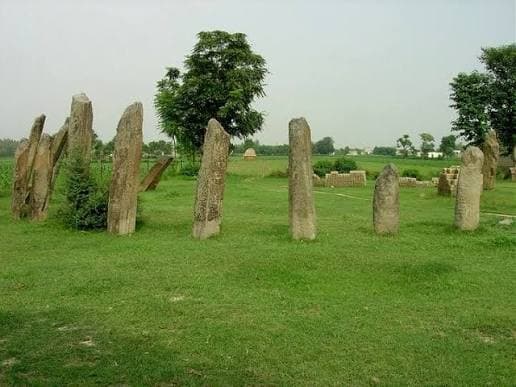
Discover the Wonders of Asota Stone Circle: A Historical Gem in Pakistan
Nestled in the breathtaking landscapes of Pakistan, the Asota Stone Circle stands as a testament to ancient civilization and profound cultural significance. This enigmatic site has intrigued historians, archeologists, and travelers alike, offering a unique glimpse into the past. In this article, we will delve into the rich history and origins of the Asota Stone Circle, explore its architectural features, and understand its cultural and religious importance. Additionally, we will provide you with essential information on how to plan your visit, including what to see, nearby attractions, and the best time to experience this remarkable landmark.
Whether you are a history enthusiast, a culture seeker, or simply looking for an off-the-beaten-path adventure, Asota Stone Circle promises to deliver an unforgettable experience. Join us as we uncover the mysteries of this ancient monument and discover all that it has to offer.
History & Origins
The Asota Stone Circle is believed to date back to the Bronze Age, showcasing the rich tapestry of human history that unfolded in this region. Archaeological findings suggest that this site was not merely a construction of stones but a central hub for ancient rituals and gatherings. The stones themselves are thought to have been carefully selected for their alignment with celestial bodies, highlighting the advanced understanding of astronomy possessed by its creators.
- Estimated Age: The stones are believed to be over 4,000 years old.
- Archaeological Significance: A site of religious and communal gatherings.
- Discovery: The site was first documented in the early 20th century by archaeologists.
- Material Used: Mainly composed of local granite and sandstone.
Myth and Legend
As with many ancient sites, the Asota Stone Circle is steeped in myths and legends. Local folklore often attributes the creation of the circle to supernatural forces, suggesting that it served as a meeting point for deities and mortals. These stories add a mystical layer to the site, igniting the imagination of those who visit.
Architecture & Features
The architecture of the Asota Stone Circle is striking, characterized by a series of large standing stones arranged in a circular formation. Each stone varies in height, creating a dynamic visual impact that is both awe-inspiring and mysterious. The arrangement of these stones is believed to have astronomical significance, with certain alignments marking solstices and equinoxes.
- Circle Diameter: The stone circle measures approximately 30 meters in diameter.
- Stone Heights: Individual stones range from 1.5 to 3 meters tall.
- Construction Technique: Experts speculate that great care was taken in the placement and alignment of each stone.
- Unique Features: Some stones exhibit petroglyphs and markings that may hold symbolic meaning.
Design Elements
One of the most fascinating aspects of the Asota Stone Circle is its intricate design elements. The stones are not just randomly placed; they align with specific celestial events, indicating that the builders had a sophisticated understanding of natural phenomena. This attention to detail reflects the significance of the site in ancient rituals and ceremonies.
Cultural & Religious Significance
The Asota Stone Circle is more than just an archaeological site; it is a cultural landmark that holds deep significance for the local communities. Many believe that the site was used for religious ceremonies and gatherings, serving as a focal point for spiritual practices. The enduring legacy of the Asota Stone Circle continues to influence cultural traditions in the region.
- Ritual Practices: The site is believed to have hosted various ancient rituals.
- Local Beliefs: Many locals regard the circle as sacred, attributing spiritual powers to the stones.
- Community Gathering: The site remains a popular venue for cultural events and celebrations.
Impact on Local Culture
Today, the Asota Stone Circle continues to inspire local art, music, and storytelling, ensuring that its legacy is preserved for future generations. The site serves as a reminder of the rich cultural heritage that exists in Pakistan, fostering a sense of pride among the local population.
What to See & Do
Visiting the Asota Stone Circle offers a wealth of opportunities to explore and engage with the surrounding environment. From guided tours to self-exploration, there are various ways to immerse yourself in the history and beauty of this ancient site. Here are some activities to consider during your visit.
- Guided Tours: Join a local guide to learn about the history and significance of the stone circle.
- Photography: Capture stunning images of the stones against the backdrop of the surrounding landscape.
- Exploration: Wander around the site to discover hidden details and markings on the stones.
- Nature Walks: Enjoy the natural beauty of the area, with opportunities for hiking and birdwatching.
Nearby Activities
In addition to exploring the Asota Stone Circle itself, there are several nearby attractions and activities to enhance your experience. Consider adding these to your itinerary for a well-rounded adventure.
- Local Markets: Experience traditional Pakistani markets nearby for authentic souvenirs.
- Cultural Performances: Look for local events that showcase traditional music and dance.
- Historical Sites: Visit other ancient sites in the region to deepen your understanding of the area's history.
The Visitor Experience
The visitor experience at the Asota Stone Circle is designed to be both informative and enriching. Upon arrival, guests are greeted with a sense of serenity that envelops the site, providing an ideal atmosphere for reflection and exploration. Guided tours are available, offering insights into the history and significance of the stones, while ample signage provides additional context for self-guided visitors.
- Visitor Center: A small center provides information and resources for guests.
- Accessibility: The site is accessible to visitors of all ages, with pathways for easier navigation.
- Facilities: Basic amenities such as restrooms and seating areas are available.
Visitor Guidelines
To ensure a respectful and enjoyable visit, it is essential to follow certain guidelines while exploring the Asota Stone Circle. Respect the site by not climbing on the stones, and be mindful of the natural surroundings. Additionally, consider visiting during off-peak hours to fully appreciate the tranquility of the area.
Location & How to Get There
The Asota Stone Circle is located in the picturesque region of Khyber Pakhtunkhwa, Pakistan. Its location offers stunning views of the surrounding mountains and valleys, making the journey to the site just as delightful as the destination itself. Here’s how to navigate your way to this ancient landmark.
- Nearest City: The closest major city is Peshawar, approximately 70 kilometers away.
- Transportation: Public transport options include buses and taxis from Peshawar.
- Road Conditions: The roads are generally well-maintained, but be cautious of local traffic.
- Parking: Limited parking is available near the visitor center.
Directions from Peshawar
If you are traveling from Peshawar, the most common route to the Asota Stone Circle is via the N-35 highway. The journey typically takes about two hours, allowing for scenic views along the way. Keep an eye out for local landmarks to guide your way, and do not hesitate to ask locals for directions if needed.
Best Time to Visit
Choosing the right time to visit the Asota Stone Circle can greatly enhance your experience. The best times to explore this remarkable site are during the spring and autumn months when the weather is mild, and the surrounding scenery is at its most vibrant. Here’s a breakdown of what you can expect throughout the year.
- Spring (March to May): Ideal weather with blooming flowers and clear skies.
- Autumn (September to November): Comfortable temperatures and stunning fall foliage.
- Summer (June to August): Hot temperatures; early morning visits are recommended.
- Winter (December to February): Cold temperatures; snow may enhance the landscape’s beauty.
Seasonal Events
Consider timing your visit to coincide with local festivals or events that celebrate the cultural heritage of the region. These events often include traditional music, dance, and food, providing an immersive experience that connects you to the local community.
Nearby Attractions
While the Asota Stone Circle is a captivating destination on its own, there are several nearby attractions that can enhance your travel experience. Exploring these sites can provide a deeper understanding of the region's history and culture, making your trip even more rewarding.
- Shahbaz Garhi: An ancient archaeological site featuring rock carvings and inscriptions.
- Taxila: A UNESCO World Heritage site known for its ancient ruins and educational institutions.
- Khanpur Dam: A picturesque dam offering recreational activities such as boating and fishing.
- Fort Bala Hisar: A historic fort overlooking Peshawar with stunning views and rich history.
Pro Tips for Visiting Asota Stone Circle
- Best Time: Visit during the early morning or late afternoon for the best lighting and fewer crowds.
- What to Carry: Bring water, sunscreen, and a camera to capture the beauty of the site.
- Getting There: Consider hiring a local guide for a more informative experience.
- Photography: Be mindful of the local customs and seek permission when photographing people.
- Avoid Crowds: Try to visit on weekdays for a more tranquil experience.
Quick Facts
| Feature | Details |
|---|---|
| Location | Khyber Pakhtunkhwa, Pakistan |
| Best Time to Visit | March to May; September to November |
| Entry Fee | Free |
| Nearby Attraction | Shahbaz Garhi |
| Time Needed | 2-3 hours |
Frequently Asked Questions
What is the significance of the Asota Stone Circle?
The Asota Stone Circle holds historical and cultural significance as a site for ancient rituals and gatherings. Its astronomical alignments suggest that it was an important location for observing celestial events.
Is there an entry fee to visit the site?
No, the Asota Stone Circle is free to visit, making it an accessible destination for travelers looking to explore the history and culture of Pakistan.
How can I get to the Asota Stone Circle from Peshawar?
The site is approximately 70 kilometers from Peshawar, and you can reach it by public transport or by hiring a taxi. The journey typically takes around two hours, offering beautiful views along the way.
Are there guides available at the site?
Yes, local guides are available for hire, providing valuable insights into the history and significance of the Asota Stone Circle. Hiring a guide can enhance your overall experience.
What should I bring when visiting the Asota Stone Circle?
When visiting, it is advisable to bring water, sunscreen, comfortable walking shoes, and a camera. These essentials will help you enjoy the site fully while protecting you from the elements.
Conclusion
The Asota Stone Circle is truly a remarkable destination that offers a window into the past, showcasing the ingenuity and cultural richness of ancient civilizations. With its mesmerizing stone formations and profound historical significance, it is a place where history comes alive. Whether you are an avid traveler, a history buff, or simply someone seeking a unique adventure, a visit to the Asota Stone Circle promises to be a memorable experience. Plan your trip today and immerse yourself in the wonders of this ancient site!
Related Landmarks
- Discover the Majestic Multan Fort: A Historical Gem in Pakistan
- Exploring Gorkhatri: A Historical Landmark in Pakistan
- Exploring the Majestic Baltit Fort: A Historical Gem in Pakistan
- Discover the Wonders of Karachi Zoo: A Historical and Cultural Gem in Pakistan
- Discovering Wazir Bagh: A Historical Gem in Pakistan