Top 9 Famous Foods Of Swat Valley
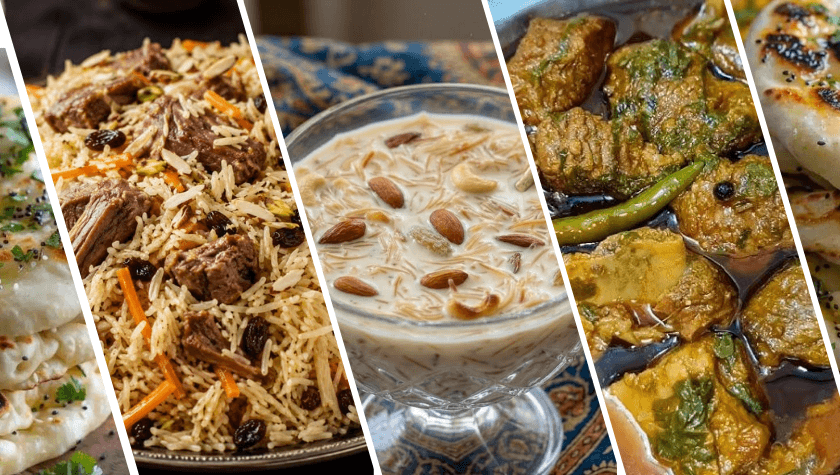
Top 9 Famous Foods Of Swat Valley
Nestled in the northern regions of Pakistan, Swat Valley is a breathtaking destination renowned not only for its stunning landscapes and rich cultural heritage but also for its diverse and delicious cuisine. The valley's food scene is a harmonious blend of flavors, influenced by the local ingredients and traditional cooking methods. In this article, we will take you on a culinary journey through the top nine famous foods of Swat Valley, exploring their origins, unique features, and cultural significance.
From savory meat dishes to delightful sweets, the flavors of Swat Valley are a reflection of its vibrant culture and history. As you delve into this guide, you will learn about the distinctive ingredients that make Swati cuisine unique, as well as tips on how to best enjoy these culinary delights during your visit. Whether you're a food enthusiast or a curious traveler, Swat Valley promises an unforgettable gastronomic adventure.
History & Origins of Swat Valley Cuisine
The culinary traditions of Swat Valley have deep roots that date back centuries, influenced by various cultures and communities that have inhabited the region. The valley has seen the passage of numerous civilizations, each leaving its mark on the local cuisine. This blend of historical influences has resulted in a unique culinary identity that is both rich and diverse.
- Ancient Influence: Swat has been home to various civilizations, including the Gandhara civilization, which introduced a variety of agricultural practices.
- Local Ingredients: The valley's fertile land and climate provide an abundance of fresh fruits, vegetables, and grains that serve as staples in many dishes.
- Traditional Techniques: Many cooking methods in Swat are passed down through generations, preserving the authenticity of the flavors.
Gandhara Influence
The Gandhara civilization, which thrived in the region around 500 BC, played a significant role in shaping the agricultural practices that define Swati cuisine today. The introduction of various crops and spices can still be felt in the region's culinary traditions.
Cultural Fusion
Swat's cuisine has absorbed influences from neighboring regions, including Central Asia and India, leading to a unique fusion of flavors that caters to diverse palates. This cultural blending is evident in the variety of dishes that are enjoyed by locals and visitors alike.
Highlights & Features of Swati Dishes
The food of Swat Valley is characterized by its rich flavors, hearty ingredients, and traditional cooking methods. Each dish tells a story, often reflecting the seasonal produce and local customs. As you explore the culinary landscape, you'll find that Swati foods are not only delicious but also deeply rooted in the culture of the region.
- Rich Flavors: Swati dishes are known for their robust flavors, often enhanced by local herbs and spices.
- Fresh Ingredients: The valley's agricultural bounty means that meals are often prepared with seasonal, fresh produce.
- Community Cooking: Many traditional dishes are made for gatherings, highlighting the importance of community in Swati culture.
Seasonal Variations
Swati cuisine changes with the seasons, offering different dishes throughout the year. For example, winter might see hearty stews and warming dishes, while summer features fresh salads and fruits.
Local Herbs and Spices
Swat Valley is home to a variety of aromatic herbs and spices that elevate the flavors of dishes. Common ingredients include mint, coriander, and various hot spices that create a unique taste profile.
Cultural Significance of Food in Swat Valley
Food in Swat Valley is more than just sustenance; it is a vital part of the local culture and traditions. Meals are often communal, with families and friends gathering to share food and stories. This aspect of Swati life underscores the importance of hospitality and community bonds.
- Hospitality: Offering food to guests is a sign of respect and warmth in Swat culture.
- Festive Dishes: Certain foods are prepared during festivals and celebrations, symbolizing joy and abundance.
- Rituals and Traditions: Many dishes are part of local rituals and customs, highlighting their cultural importance.
Community Gatherings
Food is often central to community gatherings and celebrations, with elaborate meals served during weddings and festivals. This communal aspect fosters a sense of belonging and strengthens social ties.
Food as Identity
The culinary traditions of Swat are a source of pride for the local population, reflecting their heritage and identity. Each dish serves as a reminder of the valley's rich history and the importance of preserving these culinary practices.
What to See & Do in Swat Valley
While indulging in the culinary delights of Swat Valley, there are plenty of activities and sights to explore. The valley is not only a gastronomic paradise but also a haven for nature lovers and adventure seekers. From breathtaking landscapes to historical sites, Swat offers a plethora of experiences.
- Explore Mingora: The largest city in Swat, Mingora boasts various markets where you can sample local street food.
- Visit Malam Jabba: A popular ski resort, Malam Jabba is perfect for winter sports and enjoying the scenic beauty.
- Historical Sites: Discover ancient Buddhist stupas and archaeological sites that showcase the region's rich history.
Nature Trails
Swat Valley is renowned for its stunning natural beauty. There are numerous hiking and trekking trails that allow visitors to immerse themselves in the breathtaking landscape, offering opportunities to connect with nature.
Cultural Tours
Participating in cultural tours can provide deeper insight into the local traditions and culinary practices, allowing visitors to learn about the significance of various dishes and cooking methods.
The Visitor Experience in Swat Valley
Visiting Swat Valley is an enchanting experience that combines the beauty of nature with the warmth of local hospitality. Travelers can expect a welcoming atmosphere where they can immerse themselves in the local culture and, most importantly, savor the incredible food. The valley's restaurants and local eateries often serve traditional dishes that reflect the region's culinary heritage.
- Local Eateries: Explore small family-run restaurants where you can taste authentic Swati cuisine.
- Food Festivals: Check for local food festivals that showcase the region's culinary talents and traditions.
- Cooking Classes: Join cooking classes to learn how to prepare traditional dishes using local ingredients.
Dining Etiquette
When dining in Swat Valley, it is customary to share dishes among the group, reflecting the communal nature of Swati dining. It is also polite to show appreciation for the meal, as hospitality is highly valued in the culture.
Market Visits
Visiting local markets is a great way to experience the vibrant food culture of Swat. Here, visitors can find fresh produce, spices, and local delicacies while interacting with friendly vendors.
Location & How to Get There
Swat Valley is located in the Khyber Pakhtunkhwa province of Pakistan, surrounded by the majestic Himalayas. The valley is easily accessible from major cities, making it a popular destination for both local and international travelers. The journey to Swat is as scenic as the destination itself, with breathtaking views of mountains, rivers, and lush greenery.
- Transportation: Visitors can reach Swat by road or air; the nearest airport is in Mingora.
- Road Access: Swat is well-connected by roads, with public transport options available from nearby cities.
- Travel Agencies: Consider hiring a local travel agency for guided tours and transportation arrangements.
Air Travel
The easiest way to reach Swat is by flying into the nearest airport in Mingora, which is well-connected with major cities in Pakistan. From the airport, local transport options are readily available to take you to your destination within the valley.
Road Travel
Traveling by road offers a unique opportunity to enjoy the stunning scenery along the way. Visitors can opt for private vehicles, local buses, or hire taxis to navigate the region.
Best Time to Visit Swat Valley
The ideal time to visit Swat Valley largely depends on the activities you wish to enjoy. The valley experiences distinct seasons, each offering a unique charm. Spring and summer are particularly popular among tourists due to the pleasant weather and blooming landscapes, while winter attracts those interested in snow sports.
- Spring (March to May): Ideal for witnessing lush greenery and blooming flowers.
- Summer (June to August): Perfect for outdoor activities and exploring natural beauty.
- Winter (December to February): Best for skiing and experiencing snowfall.
Seasonal Attractions
Each season brings its own attractions. In spring, visitors can enjoy vibrant festivals celebrating the arrival of warmer weather, while summer offers hiking and trekking opportunities. Winter transforms the valley into a snowy wonderland, attracting adventure seekers and winter sports enthusiasts.
Weather Considerations
The valley's weather can vary significantly, so it's essential to check forecasts and pack accordingly. Layering is advised, as temperatures can fluctuate throughout the day, especially in the mountainous regions.
Nearby Attractions
In addition to its culinary delights, Swat Valley is surrounded by numerous attractions that enhance the visitor experience. The region is rich in history and natural beauty, offering a variety of activities for all types of travelers. Exploring these nearby attractions can complement your culinary journey and provide a well-rounded experience.
- Buddhist Stupas: The ancient stupas and archaeological sites in Swat provide a glimpse into the valley's historical significance.
- Kalam Valley: Known for its breathtaking landscapes, Kalam Valley is a must-visit for nature lovers.
- Utror Valley: A serene destination offering stunning views and opportunities for trekking and camping.
Historical Sites
Swat Valley is home to numerous historical sites, including ancient stupas and forts that reflect its rich heritage. Visiting these sites provides insight into the valley's past and its significance in the region.
Adventure Activities
For those seeking adventure, Swat offers a range of outdoor activities, such as trekking, rafting, and paragliding. The stunning scenery and diverse landscapes make it an ideal destination for thrill-seekers.
Pro Tips for Visiting Top 9 Famous Foods Of Swat Valley
- Best Time: Plan your visit during the spring or summer months for the best weather and fresh local produce.
- What to Carry: Bring comfortable walking shoes, a camera, and a refillable water bottle for your explorations.
- Getting Around: Consider hiring a local guide or joining a tour to navigate the best food spots and attractions.
- Photography: Capture the vibrant colors and bustling markets, but always ask for permission when photographing locals.
- Avoiding Crowds: Visit popular attractions early in the morning or during weekdays to avoid large crowds.
Quick Facts
| Location | Best Time to Visit | Entry Fee | Nearby Attraction | Time Needed |
|---|---|---|---|---|
| Swat Valley, Pakistan | March to August | Varies by site | Kalam Valley | 3-7 days |
| Mingora | April to September | Free | Utror Valley | 1-2 days |
| Kalam | June to August | Free | Buddhist Stupas | 2-3 days |
Frequently Asked Questions
What are the must-try dishes in Swat Valley?
Some of the must-try dishes in Swat Valley include Peshawari Naan, Kabuli Pulao, and various meat curries. Don't miss out on local sweets like Sheer Khurma and Gulab Jamun, which are popular during festive occasions.
Is Swat Valley safe for tourists?
Yes, Swat Valley is considered safe for tourists. However, it's always advisable to stay updated on local conditions and travel advisories. Engaging with local guides can enhance your experience and ensure safety while traveling.
What is the best way to experience local cuisine?
To truly experience local cuisine, visit family-run restaurants and street vendors. Participating in cooking classes or food tours can also provide insight into traditional cooking methods and the cultural significance behind each dish.
Are there vegetarian options available in Swat Valley?
Absolutely! Swat Valley offers a variety of vegetarian dishes made from local vegetables and grains. Dishes like Saag (spinach) and various lentil preparations are common and delicious options for vegetarians.
How can I connect with local culture while visiting Swat Valley?
Connecting with local culture can be achieved by engaging with residents, participating in community events, and trying to learn a few words of the local language. Visiting markets and cultural sites also provides a deeper understanding of Swati traditions and lifestyles.
Conclusion
Swat Valley is a treasure trove of culinary delights, offering an array of flavors that reflect its rich cultural heritage. From savory meat dishes to delectable sweets, each bite tells a story of tradition and community. As you plan your visit to this stunning region, be sure to indulge in the famous foods of Swat Valley, allowing your taste buds to embark on an unforgettable journey. The warm hospitality and rich flavors await you in this enchanting valley, making it a must-visit destination for food lovers and travelers alike.