Khyber Pass: A Fascinating Journey Through Time
Khyber Pass: A Fascinating Journey Through Time
The Khyber Pass, a legendary mountain pass located in the North-West Frontier Province of Pakistan, has served as a vital gateway through the towering mountains of the Hindu Kush for centuries. This iconic route has not only shaped the region's history but also continues to be a focal point for travelers seeking to explore its rich cultural tapestry and breathtaking landscapes. In this article, we will delve into the historical significance, key highlights, cultural influence, and practical information for anyone looking to embark on a journey through the Khyber Pass.
Visitors to the Khyber Pass will discover a unique blend of history and natural beauty, with stories etched into the very rocks and valleys. From its origins as a trade route to its contemporary role in connecting regions, the Khyber Pass offers a multitude of experiences. Prepare to be captivated by the tales of ancient warriors, merchants, and travelers who have traversed this remarkable corridor.
History & Origins
The history of the Khyber Pass is as layered and complex as the mountains it winds through. For thousands of years, this pass has been a strategic military and trade route, connecting the Indian subcontinent with Central Asia. Its significance can be traced back to the times of the Aryans and later through the conquests of Alexander the Great, who utilized the pass in his quest to expand his empire.
- Ancient Significance: The Khyber Pass was a crucial path for trade caravans, linking the East and West.
- Military Importance: Throughout history, the pass has been the site of numerous military campaigns, including those by the British Empire in the 19th century.
- Cultural Exchange: The Khyber Pass has facilitated the exchange of goods, cultures, and ideas, enriching the region's heritage.
Key Historical Events
Many pivotal events have taken place in the Khyber Pass, shaping not only the local culture but also the broader geopolitical landscape. The pass has witnessed the rise and fall of empires, including those of the Persians, Greeks, and British.
- Alexander the Great: He passed through the Khyber Pass in 327 BC during his campaign against the Persian Empire.
- British Military Campaigns: The pass was a focal point during the Anglo-Afghan Wars in the 19th century.
- Modern Conflicts: The Khyber Pass has also been significant in contemporary conflicts, serving as a supply route for NATO forces in Afghanistan.
Highlights & Features
The Khyber Pass is not just a passage; it is a treasure trove of natural beauty and historical landmarks. Visitors will find themselves surrounded by stunning landscapes, ancient ruins, and vibrant local culture. The journey through the pass is filled with notable sights that leave lasting impressions on all who traverse it.
- Scenic Views: Experience breathtaking panoramas of the surrounding mountains and valleys.
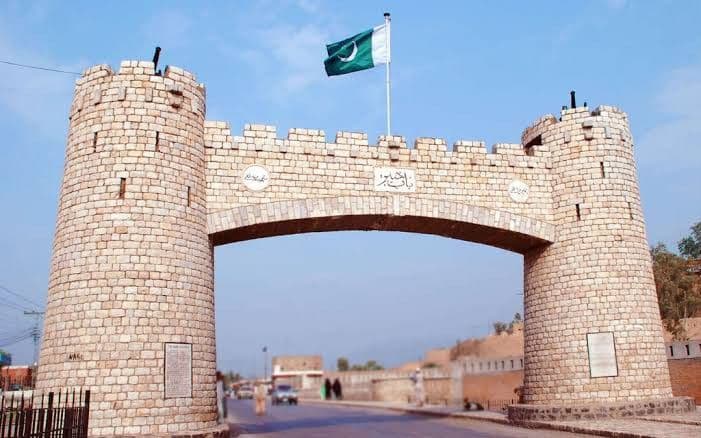
- Historical Sites: Visit the historic forts and ruins, such as the famous Jamrud Fort at the entrance of the pass.
- Cultural Encounters: Engage with local tribes known for their rich traditions and hospitality.
Must-See Landmarks
Within the Khyber Pass, several landmarks stand out for their historical and cultural significance. Each site tells a part of the story that has unfolded over millennia.
- Jamrud Fort: Built in 1837, this fort was constructed by the British to control the pass and is a prime example of colonial military architecture.
- Shah Alam's Tomb: Located near the pass, this tomb is a testament to the rich Islamic architecture and serves as a resting place for a revered local figure.
- Land of the Afridi Tribe: Known for their fierce independence and rich traditions, visiting this area offers insights into the local culture.
Cultural Significance
The Khyber Pass is steeped in cultural significance, serving as a melting pot of various ethnic groups, traditions, and religions. The cultural richness of the region is evident in its festivals, languages, and local customs, making it a fascinating destination for travelers.
- Ethnic Diversity: The pass is inhabited by multiple ethnic groups, including Pashtuns and others, each with their own unique cultural practices.
- Traditional Festivals: Experience local festivals that celebrate the rich heritage of the tribes, often featuring music, dance, and traditional foods.
- Language and Customs: The region's primary language is Pashto, and visitors may find unique customs and traditions that reflect the area's history.
Local Cuisine
Food is an integral part of any culture, and the Khyber Pass region is no exception. The local cuisine offers a delightful array of flavors and dishes that reflect the diverse cultural influences of the area.
- Kabuli Pulao: A fragrant rice dish cooked with meat, raisins, and spices, often considered a staple.
- Naan: Traditional bread that accompanies virtually every meal, perfect for scooping up delicious curries.
- Seekh Kebabs: Spicy minced meat skewers grilled to perfection, often enjoyed with chutneys.
What to See & Do
Adventure seekers and history buffs alike will find plenty to see and do in the Khyber Pass. Whether you want to hike the rugged terrain, explore historical sites, or engage with the local culture, this region offers a variety of experiences that cater to diverse interests.
- Trekking: Numerous trails provide opportunities for trekking enthusiasts to explore the stunning landscapes.
- Photography: Capture the breathtaking scenery and vibrant local life, making for unforgettable memories.
- Guided Tours: Consider joining guided tours to gain deeper insights into the history and culture of the region.
Adventure Activities
The Khyber Pass is not only about history; it’s also an adventure playground for those looking to experience the great outdoors. From hiking to cultural immersion, the options are endless.
- Rock Climbing: The rugged cliffs offer excellent opportunities for rock climbing, challenging even the most experienced climbers.
- Camping: Set up camp amidst stunning landscapes for a night under the stars, surrounded by the sounds of nature.
- Wildlife Watching: Keep an eye out for unique wildlife that inhabits the mountainous regions.
The Visitor Experience
Visiting the Khyber Pass is an experience that transcends mere sightseeing; it is an immersion into a living history that continues to evolve. Travelers should come prepared to embrace the cultural nuances and engage respectfully with the local communities. The hospitality of the residents makes the journey even more enriching.
- Local Guides: Hiring a local guide can enhance your experience by providing historical context and facilitating interactions with residents.
- Safety Considerations: Always stay updated on local conditions and follow travel advisories when planning your visit.
- Respect Local Customs: Be mindful of local traditions and dress modestly, especially when visiting villages and cultural sites.
Accommodations
Finding a place to stay in the Khyber Pass area can vary from luxurious hotels to more rustic accommodations, each offering a unique experience. Consider your preferences and budget when planning your stay.
- Hotels in Peshawar: The nearest major city, Peshawar, offers a range of hotels from budget to luxury.
- Guesthouses: For a more authentic experience, look for guesthouses run by local families.
- Campsites: For the adventurous, there are campsites available for a more immersive experience with nature.
Location & How to Get There
The Khyber Pass is located approximately 50 kilometers from Peshawar, making it accessible by various means of transport. Travelers can choose to drive, hire local taxis, or join organized tours from Peshawar. Understanding the geography of the region is crucial for planning your visit.
- Accessibility: The pass can be accessed via the N-5 National Highway, making it relatively easy to reach from major cities.
- Transport Options: Options include private cars, buses, and taxis, with local guides often available for hire.
- Border Checkpoints: Be prepared for security checks and documentation, especially for foreign visitors.
Travel Tips
To ensure a smooth journey through the Khyber Pass, it’s essential to plan ahead. Here are a few travel tips that can enhance your experience.
- Check Travel Advisories: Stay informed about the latest travel advisories and local conditions.
- Pack Wisely: Bring essential items like water, snacks, and a first-aid kit for your journey.
- Plan for Weather Variations: The weather can change rapidly; dressing in layers is advisable.
Best Time to Visit
The Khyber Pass can be visited year-round, but certain seasons offer a more enjoyable experience. Understanding the climate and weather patterns is key to planning your trip effectively.
- Spring (March to May): This is a fantastic time to visit, with mild weather and blooming flora.
- Autumn (September to November): The temperatures are comfortable, making it ideal for trekking and outdoor activities.
- Summer (June to August): The region can get quite hot, but early mornings and late evenings are still pleasant.
- Winter (December to February): Cold temperatures and snowfall can limit accessibility but offer a unique landscape.
Nearby Attractions
The Khyber Pass is surrounded by several attractions that are worth exploring. Visitors can extend their journey to include these nearby sites, enhancing their overall experience of the region.
- Peshawar: The capital of Khyber Pakhtunkhwa, known for its rich history and vibrant bazaars.
- Historic Taxila: A UNESCO World Heritage site, Taxila is famous for its ancient ruins and archaeological significance.
- Waziristan: A culturally rich area offering a glimpse into the life of the Pashtun tribes.
Pro Tips for Visiting Khyber Pass: A Fascinating Journey Through Time
- Best Time: Aim for spring or autumn for the most pleasant weather and stunning landscapes.
- What to Carry: Bring a good camera, comfortable hiking shoes, and sufficient water.
- Photography: Capture the beauty of the pass during the golden hours—early morning and late afternoon.
- Avoiding Crowds: Visit on weekdays to experience a quieter atmosphere and more authentic interactions with locals.
- Local Markets: Don’t miss the chance to explore local markets for unique handicrafts and souvenirs.
Quick Facts
| Location | Best Time to Visit | Entry Fee | Nearby Attraction | Time Needed |
|---|---|---|---|---|
| Khyber Pass, Pakistan | March to May, September to November | Free, but permits may be required | Peshawar, Taxila | 1-2 days |
| Jamrud Fort | Year-round | Nominal fee | Waziristan | Half a day |
| Shah Alam's Tomb | Year-round | Free | N/A | 1 hour |
Frequently Asked Questions
What is the Khyber Pass known for?
The Khyber Pass is known for its historical significance as a vital trade route and military corridor, connecting the Indian subcontinent with Central Asia. It has witnessed numerous historical events, making it a fascinating destination for travelers interested in history and culture.
Is it safe to visit the Khyber Pass?
While the Khyber Pass has experienced security issues in the past, many areas are now considered safe for tourists. It is essential to stay informed about local conditions, follow travel advisories, and consider hiring local guides for a safer experience.
What should I wear when visiting the Khyber Pass?
Visitors should dress modestly and consider the local customs and climate. Comfortable, weather-appropriate clothing is advisable, especially if planning to hike or explore the region extensively.
How can I get to the Khyber Pass from Peshawar?
The Khyber Pass is approximately 50 kilometers from Peshawar, and travelers can reach it by private car, taxi, or organized tours. It is crucial to plan the journey ahead and allow time for security checks.
What cultural experiences can I expect in the Khyber Pass?
Visitors to the Khyber Pass can expect to engage with local tribes, participate in festivals, and taste traditional cuisine. The area is rich in cultural diversity, offering a glimpse into the lives and traditions of its inhabitants.
Conclusion
The Khyber Pass is more than just a geographical location; it is a symbol of resilience, cultural exchange, and historical significance. As you traverse this iconic route, you will not only walk through a stunning landscape but also step into a living narrative that has unfolded over centuries. Whether you are drawn by the allure of history, the promise of adventure, or the warmth of local culture, the Khyber Pass is a destination that beckons to be explored. So pack your bags and embark on a journey through time in one of the most fascinating regions of the world.
Related Blogs
- Exploring the Majestic Burzil Pass: A Hidden Gem in Astore Valley, Gilgit Baltistan
- Explore the Rich History of Jamrud Fort: A Historical Site in Khyber Pakhtunkhwa
- Shandur Polo Festival World’s Highest Polo Event
- Exploring Takht I Bahi Buddhist Monastery: A Journey Through Time in Pakistan
- Kafir Kot Ancient Hindu Temples In Di Khan: A Journey Through History