Discovering the Traditional Food of Naran Kaghan Valley: A Culinary Journey through Pakistan's Hidden Gem
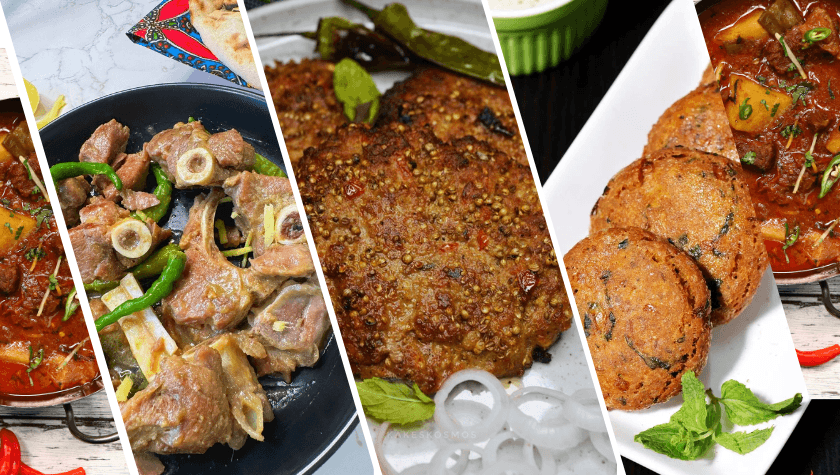
Discovering the Traditional Food of Naran Kaghan Valley: A Culinary Journey through Pakistan's Hidden Gem
Naran Kaghan Valley is not just a feast for the eyes with its breathtaking landscapes; it is equally a treasure trove for food lovers. Nestled in the heart of the northern areas of Pakistan, this valley offers a unique culinary experience that reflects the rich cultural heritage of the region. In this article, we will take you on a delightful journey through the traditional foods of Naran Kaghan Valley, exploring their origins, cultural significance, and the best places to savor these delectable dishes.
From aromatic stews to sweet delicacies, the traditional food of Naran Kaghan Valley is deeply rooted in the local lifestyle and the natural resources available in the region. Whether you are a seasoned traveler or a first-time visitor, understanding the local cuisine will enrich your experience and provide you with a deeper connection to the culture. Join us as we dive into the flavors, history, and must-try dishes that make the Naran Kaghan Valley a culinary paradise.
History & Origins of Naran Kaghan Valley Cuisine
The traditional food of Naran Kaghan Valley has evolved over centuries, influenced by the indigenous tribes and the natural surroundings. The local cuisine embodies a blend of flavors and cooking techniques passed down through generations. Many dishes have origins that trace back to the ancient tribes that inhabited these high-altitude areas, where the harsh climate necessitated hearty meals to sustain the community.
Indigenous Ingredients: The cuisine primarily uses locally sourced ingredients such as lamb, goat, grains, and a variety of vegetables.
Historical Influences: The culinary traditions have been influenced by travelers, traders, and even invaders who passed through the region.
Seasonal Variations: Due to the climate, many traditional dishes are prepared based on seasonal availability of ingredients.
Traditional Cooking Techniques
Cooking methods in Naran Kaghan Valley often involve slow-cooking and using clay pots, which enhance the flavors of the dishes. The use of open flames and traditional tandoors also plays a significant role in preparing various breads and meats.
Clay Cooking Pots: These pots help retain moisture and flavors, making stews and curries exceptionally rich.
Open Flame Grilling: A common practice for preparing kebabs and meats, adding a smoky flavor.
Tandoor Baking: Traditional breads like naan are baked in tandoors, giving them a unique texture.
Highlights & Features of Naran Kaghan Valley Cuisine
The culinary landscape of Naran Kaghan Valley is rich and diverse, offering a variety of dishes that cater to different tastes. Highlights include hearty stews, savory meats, and delightful desserts, each offering a unique taste of the region.
Rosh: A traditional meat stew made with lamb or goat, infused with aromatic spices.
Pulao: A fragrant rice dish cooked with meat and spices, often served during special occasions.
Chapli Kebabs: Spiced minced meat patties that are shallow-fried and served with chutney.
Bakarkhani: A crispy bread often enjoyed with tea or as a snack, unique to the region.
Must-Try Dishes
When visiting Naran Kaghan Valley, there are specific dishes that you simply cannot miss. Each dish tells a story of the region's culture and culinary practices.
Yakhni Pulao: A fragrant rice dish cooked with tender meat and flavored with spices.
Qorma: A rich and creamy meat curry, usually made with yogurt and nuts.
Shami Kebabs: Delicately spiced and fried patties made from minced meat, perfect for snacks.
Cultural Significance of Traditional Food
The food of Naran Kaghan Valley is not merely about sustenance; it is a key part of the local culture and community life. Meals are often shared among family and friends, fostering a sense of togetherness and tradition.
Community Gatherings: Traditional meals are often prepared for community gatherings and festivals, showcasing local hospitality.
Food as Identity: The dishes represent the cultural identity of the tribes residing in the valley.
Celebration of Seasons: Certain foods are prepared to mark seasonal changes and agricultural cycles, reflecting the deep connection with nature.
Festivals and Food
Food plays a crucial role in local festivals, where specific dishes are prepared to celebrate cultural heritage. Events often feature food stalls and competitions, highlighting the culinary skills of the locals.
Shandur Polo Festival: A celebration where traditional dishes are served alongside sports events.
Eid Celebrations: Special dishes like biryani and sweetmeats are prepared during Eid to celebrate the occasion.
What to See & Do in Naran Kaghan Valley
Naran Kaghan Valley is not only a culinary destination but also a hub for adventure and natural beauty. Visitors can indulge in various activities while enjoying the local cuisine.
Trekking: Numerous trekking trails lead to stunning viewpoints and hidden lakes.
Fishing: Fishing in the crystal-clear rivers is a popular activity among tourists.
Exploring Valleys: Beautiful valleys like Saif-ul-Malook and Babusar offer picturesque landscapes.
Local Markets: Visiting local bazaars allows you to sample street food and buy traditional handicrafts.
Dining Spots
For the best experience of traditional food, it’s important to know where to eat. There are several renowned restaurants and local eateries in the valley that serve authentic dishes.
Hotel Al-Maida: Known for its delicious Rosh and Pulao.
Kaghan Valley Restaurant: Offers a variety of traditional dishes and stunning views.
Local Dhabbas: Small roadside eateries where you can experience the true local flavor.
The Visitor Experience in Naran Kaghan Valley
The experience of visiting Naran Kaghan Valley is enhanced by the warm hospitality of the locals. Visitors often find themselves welcomed into homes and offered traditional meals, providing a personal touch to their culinary journey.
Warm Hospitality: Locals often invite guests to share meals, fostering a sense of community.
Cooking Classes: Some locals offer cooking classes, allowing visitors to learn how to prepare traditional dishes.
Cultural Exchanges: Engaging with local families provides insights into their culinary traditions and lifestyle.
Dining Etiquette
Understanding local dining etiquette can enhance your experience. Meals are often communal, and sharing food is a common practice.
Sharing Meals: It is customary to share food, symbolizing unity and friendship.
Eating with Hands: Many locals prefer eating with their hands, which is considered a sign of respect.
Location & How to Get There
Naran Kaghan Valley is situated in the northern areas of Pakistan, making it accessible yet remote. The valley’s stunning landscapes and traditional food attract tourists from all over the world.
By Road: The valley is accessible via the N-15 highway from Islamabad, with a drive taking approximately 7-8 hours.
Public Transport: Buses and vans run regularly from major cities to Naran Kaghan Valley.
Best Access Points: The main entry points are Balakot and Naran, both offering stunning views along the way.
Travel Tips
When planning your trip, it's essential to consider some factors to ensure a smooth journey. Weather conditions and road conditions can vary, so preparation is key.
Check Weather: The valley can be prone to sudden weather changes; dress accordingly.
Book Ahead: Especially during peak seasons, it’s wise to book accommodations in advance.
Best Time to Visit Naran Kaghan Valley
The best time to visit Naran Kaghan Valley is during the summer months, when the weather is pleasant, and the region is bustling with life. However, each season offers a unique experience.
Summer (June to August): Ideal for trekking and outdoor activities, with temperatures ranging from 15°C to 25°C.
Autumn (September to October): Experience stunning fall foliage and fewer crowds.
Winter (November to March): A great time for snow lovers, though many roads may be closed.
Seasonal Festivals
Visiting during local festivals can provide an immersive experience, where food plays a central role in the celebrations. Festivals often feature traditional music, dance, and, of course, an array of local dishes.
Shandur Polo Festival: Celebrated in July, it showcases polo matches along with traditional foods.
Eid Festivals: Special meals and sweets are prepared to celebrate Islamic holidays.
Nearby Attractions
Naran Kaghan Valley is surrounded by numerous attractions that can enhance your travel experience. From natural wonders to historical sites, there’s plenty to explore.
Saif-ul-Malook Lake: A stunning lake known for its enchanting beauty and folklore.
Babusar Pass: Offers breathtaking views and serves as a gateway to other valleys.
Lalazar Valley: A picturesque valley famous for its lush meadows and scenic beauty.
Exploration Tips
When venturing to nearby attractions, ensure you have enough time to explore. Some areas may require a bit of hiking or driving on rough terrain.
Plan Your Routes: Research the best routes and check road conditions before setting out.
Stay Hydrated: Always carry water, especially if you are hiking or exploring remote areas.
Pro Tips for Visiting Traditional Food of Naran Kaghan Valley
Best Time: Visit during the summer for pleasant weather and access to various activities.
What to Carry: Bring comfortable clothing and sturdy shoes for trekking and exploring.
How to Get There: Use public transport for a more local experience or drive for flexibility.
Photography: Capture the stunning landscapes, but always ask locals before photographing people.
Avoid Crowds: Travel during weekdays to enjoy a quieter experience at popular spots.
Quick Facts
Fact Details Location Naran Kaghan Valley, Khyber Pakhtunkhwa, Pakistan Best Time to Visit June to AugustEntry FeeFree; some attractions may have nominal feesNearby AttractionsSaif-ul-Malook Lake, Babusar Pass, Lalazar ValleyTime Needed3-5 days for a thorough visit
Frequently Asked Questions
What is the most popular dish in Naran Kaghan Valley?
The most popular dish is Rosh, a flavorful meat stew that is a staple in local cuisine, often enjoyed during gatherings.
Are there vegetarian options available?
Yes, while meat dishes are predominant, you can find vegetarian options like lentil dishes and vegetables cooked with local spices.
Can I find international cuisine in Naran Kaghan Valley?
While traditional food is the highlight, some restaurants offer international dishes to cater to diverse tastes, especially in tourist areas.
Is it safe to travel to Naran Kaghan Valley?
Yes, it is generally safe for tourists, but it is advisable to stay informed about travel advisories and local conditions.
How can I learn to cook traditional dishes?
Some locals offer cooking classes, and engaging with families during meals can also provide insight into traditional cooking methods.
Conclusion
Naran Kaghan Valley is a hidden gem that offers not just stunning landscapes but a rich culinary experience that should not be missed. The traditional foods reflect the culture, history, and hospitality of the local communities. As you explore the valley, make sure to indulge in the flavors that define this beautiful region. Whether you are savoring a hearty Rosh or enjoying sweet Bakarkhani, the traditional food of Naran Kaghan Valley promises to leave a lasting impression on your taste buds and your heart. So, pack your bags and embark on a journey to discover the culinary delights of this enchanting valley!