Discovering Fun Facts About Hunza Valley: A Hidden Gem in Pakistan
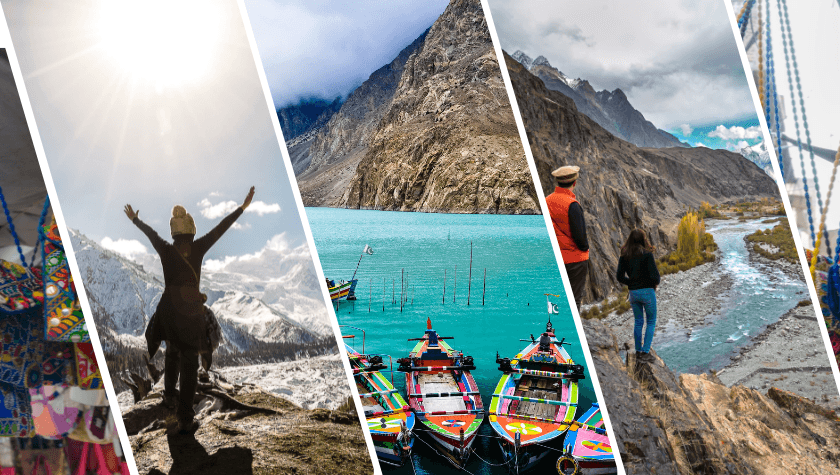
Discovering Fun Facts About Hunza Valley: A Hidden Gem in Pakistan
Nestled among the towering peaks of the Karakoram Range, Hunza Valley is a breathtaking destination that offers not only stunning landscapes but also a rich tapestry of culture and history. This enchanting valley, often referred to as a paradise on earth, is filled with fascinating stories and unique characteristics that are sure to captivate any traveler. In this article, we will explore fun facts about Hunza Valley, covering its history, cultural significance, local attractions, and much more.
Whether you are an adventure seeker, a history buff, or a culture enthusiast, Hunza Valley has something special to offer. From its ancient forts to its vibrant festivals, this valley is a treasure trove of experiences waiting to be discovered. Join us as we delve into the captivating world of Hunza Valley and uncover the secrets that make it a must-visit destination.
History & Origins
The history of Hunza Valley is as rich and diverse as its landscapes. It has been inhabited for thousands of years and has seen various civilizations come and go. The valley has long been a crossroads for travelers and traders, which has contributed to its unique cultural blend.
- Ancient Roots: The Hunza Valley is believed to have been inhabited since the time of Alexander the Great, with various tribes and cultures leaving their mark.
- Strategic Location: Historically, Hunza served as a vital stop on the ancient Silk Road, facilitating trade between the East and the West.
- Royal Legacy: The valley was once ruled by the Mir of Hunza, who played a significant role in its governance and development.
- Cultural Fusion: The diverse ethnic groups in Hunza, including the Burusho, Wakhi, and Shina, contribute to its rich cultural heritage.
- Historical Sites: The remnants of ancient forts, such as Baltit and Altit, tell the story of the valley's storied past.
Ancient Civilizations
The history of Hunza is intertwined with ancient civilizations, including the early Buddhist settlements and the influence of Persian and Central Asian cultures. This rich heritage has shaped the valley's traditions and architectural styles.
Silk Road Significance
As part of the Silk Road, Hunza Valley was a melting pot of cultures, where merchants and travelers exchanged goods, ideas, and traditions. This resulted in a unique blend of customs that can still be seen today.
Highlights & Features
Hunza Valley is renowned for its stunning natural beauty and unique geographical features. From majestic mountains to lush green terraced fields, the valley offers a feast for the eyes and the soul.
- Majestic Peaks: The valley is surrounded by some of the highest peaks in the world, including Rakaposhi and Ultar Sar.
- Beautiful Landscapes: The terraced fields, vibrant orchards, and crystal-clear rivers create a picturesque setting that is perfect for photography.
- Unique Climate: Hunza has a varying climate, with mild summers and cold winters, making it an attractive destination year-round.
- Adventure Activities: The valley offers numerous opportunities for trekking, climbing, and exploring its unspoiled wilderness.
- Local Flora and Fauna: The region is home to diverse wildlife and plant species, many of which are endemic to the area.
Scenic Views
One of the most compelling features of Hunza Valley is its breathtaking views. Each season presents a different spectacle, from blooming cherry blossoms in spring to snow-capped peaks in winter.
Unique Geographical Formations
The valley's unique geological make-up includes striking rock formations and glacial lakes, making it a hotspot for geologists and nature lovers alike.
Cultural Significance
The culture of Hunza Valley is a vibrant blend of traditions and customs that reflect the valley's diverse population. From music and dance to food and festivals, the cultural significance of Hunza is profound.
- Festivals: Local festivals such as the Hunza Festival and Cherry Blossom Festival celebrate the valley's rich traditions and community spirit.
- Traditional Cuisine: The culinary offerings in Hunza include unique dishes made from locally grown ingredients, showcasing the valley's agricultural heritage.
- Music and Dance: Traditional music and dance play a crucial role in local celebrations, with instruments like the rubab and dhol being prominently featured.
- Handicrafts: Local artisans produce exquisite handicrafts, including handwoven textiles and intricate wood carvings, embodying the valley's artistic spirit.
- Spiritual Heritage: The valley is home to several ancient shrines and monasteries, reflecting the spiritual significance of the region.
Festivals of Hunza
The valley's festivals are a colorful expression of its cultural identity, drawing visitors from around the world. These events highlight local traditions and bring communities together.
Culinary Traditions
The cuisine of Hunza is influenced by its geography and climate, with an emphasis on organic farming and traditional cooking methods. Dishes such as "Diram Fitti" and "Chapshuro" are local favorites.
What to See & Do
Hunza Valley is packed with attractions and activities that cater to a variety of interests. From historical sites to adventure sports, there is something for everyone in this magnificent valley.
- Baltit Fort: This ancient fort offers stunning panoramic views and a glimpse into the valley's history.
- Karimabad: The capital of Hunza, Karimabad is a bustling hub filled with shops, restaurants, and cultural experiences.
- Attabad Lake: A beautiful lake formed by a landslide in 2010, perfect for boating and photography.
- Passu Cones: These iconic peaks are a must-see for their unique shape and breathtaking backdrop.
- Trekking: There are numerous trekking routes available, ranging from easy walks to challenging climbs, allowing visitors to explore the stunning landscapes.
Baltit Fort
Baltit Fort is one of the most significant historical sites in Hunza, dating back over 700 years. It has been meticulously restored and offers insight into the valley's royal history.
Attabad Lake
Attabad Lake is a striking turquoise lake that emerged from a natural disaster in 2010. It has since become a popular spot for kayaking and scenic boat rides.
The Visitor Experience
Visiting Hunza Valley is an unforgettable experience that immerses travelers in the beauty of nature and the warmth of local hospitality. Visitors can expect to be enchanted by the friendly locals and the unique atmosphere of the valley.
- Local Hospitality: The people of Hunza are known for their welcoming nature, making visitors feel at home.
- Accommodation: There is a range of accommodation options, from luxury hotels to traditional guesthouses, catering to different budgets.
- Guided Tours: Many local tour operators offer guided tours, ensuring visitors can explore the valley’s highlights with ease and safety.
- Photography Opportunities: The stunning landscapes and vibrant culture provide endless opportunities for photography enthusiasts.
- Language: While Urdu and English are commonly spoken, learning a few phrases in the local language can enhance the experience.
Local Interactions
Engaging with the local community is a highlight of any visit to Hunza Valley. Visitors can participate in cultural exchanges, learn about traditional crafts, and enjoy local cuisine.
Accommodation Options
Hunza offers various accommodation choices, from luxurious hotels with stunning views to cozy guesthouses run by local families. Each option provides a unique experience of the valley.
Location & How to Get There
Hunza Valley is located in the Gilgit-Baltistan region of Pakistan, surrounded by the majestic peaks of the Karakoram Range. Getting to Hunza can be an adventure in itself, offering travelers breathtaking views along the way.
- Access Points: The nearest major city is Gilgit, which is approximately 100 kilometers away from Hunza.
- Travel Options: Visitors can reach Hunza by road from Gilgit via the Karakoram Highway, which is famous for its scenic beauty.
- Public Transport: Local buses and vans operate regularly from Gilgit to Hunza, providing an affordable travel option.
- Road Conditions: The road to Hunza can be challenging due to its mountainous terrain, so it's advisable to travel during daylight hours.
- Travel Time: The journey from Gilgit to Hunza typically takes around 2-3 hours, depending on road and weather conditions.
Traveling from Islamabad
Traveling from Islamabad to Hunza typically involves a flight to Gilgit or a long road trip. The scenic road trip takes around 20-24 hours, but it's worth the views along the way.
Public Transport Options
For budget travelers, public transport options like buses or shared vans from Gilgit to Hunza provide a cost-effective way to reach the valley while enjoying the stunning landscapes.
Best Time to Visit
The best time to visit Hunza Valley varies according to the experiences one seeks. Each season brings its own charm and attractions, making it a year-round destination.
- Spring (March-May): This is the time for cherry blossoms, filling the valley with vibrant colors and fragrance.
- Summer (June-August): The weather is warm and perfect for trekking and exploring, making it the peak tourist season.
- Autumn (September-November): Autumn showcases stunning fall colors and is ideal for photography enthusiasts.
- Winter (December-February): For those seeking snow and tranquility, winter transforms Hunza into a serene wonderland.
- Local Events: Consider planning your visit around local festivals for a richer cultural experience.
Spring Blossoms
Spring is particularly magical in Hunza, as the cherry blossoms bloom, creating a picturesque landscape that attracts many photographers and nature lovers.
Summer Adventures
Summer months provide ideal conditions for trekking and outdoor activities, with many tourists flocking to the valley to experience its natural beauty.
Nearby Attractions
While Hunza Valley is a destination in itself, there are several nearby attractions that enhance the overall travel experience. Exploring these locations can provide deeper insights into the region's beauty and culture.
- Fairy Meadows: A stunning alpine meadow located near Nanga Parbat, offering breathtaking views and trekking opportunities.
- Naltar Valley: Known for its vibrant blue lakes and lush greenery, Naltar is a perfect getaway for nature lovers.
- Khunjerab Pass: The highest paved international border crossing in the world, offering spectacular mountain views.
- Gilgit: The capital of Gilgit-Baltistan, rich in history and culture, perfect for exploring local markets and food.
- Ratti Gali Lake: A beautiful glacial lake surrounded by mountains, ideal for hiking and picnicking.
Fairy Meadows
Fairy Meadows is a serene and picturesque spot that offers stunning views of Nanga Parbat, the ninth-highest mountain in the world. It is an ideal location for camping and trekking.
Khunjerab Pass
Khunjerab Pass serves as the border between Pakistan and China and is known for its breathtaking landscapes and high-altitude experiences.
Pro Tips for Visiting Fun Facts About Hunza Valley
- Best Time: Visit in late March to early April for cherry blossoms or in the autumn months for stunning fall foliage.
- What to Carry: Bring layers as temperatures can vary greatly between day and night, and comfortable walking shoes for exploring.
- Getting There: Book your transport in advance, especially during peak tourist seasons, to avoid last-minute hassles.
- Photography: The golden hours of sunrise and sunset offer the best light for photography, so plan your shoots accordingly.
- Avoiding Crowds: Try to visit popular sites early in the morning to enjoy them without the crowds.
Quick Facts
| Fact | Details |
|---|---|
| Location | Gilgit-Baltistan, Pakistan |
| Best Time to Visit | March to November |
| Entry Fee | Free; some attractions may have fees |
| Nearby Attraction | Fairy Meadows, Khunjerab Pass |
| Time Needed | 3-5 days to explore |
Frequently Asked Questions
What is the best time to visit Hunza Valley?
The best time to visit Hunza Valley is from March to November. During spring, the cherry blossoms bloom, while summer offers ideal weather for trekking and outdoor activities.
How can I get to Hunza Valley?
Hunza Valley can be accessed by road from Gilgit, which is approximately 100 kilometers away. Buses and vans regularly operate, or you can hire a private car for a more comfortable journey.
What are the main attractions in Hunza Valley?
Major attractions include Baltit Fort, Attabad Lake, Passu Cones, and the scenic landscapes that offer numerous trekking opportunities. Each site showcases the valley's natural beauty and cultural heritage.
Is Hunza Valley safe for tourists?
Yes, Hunza Valley is generally considered safe for tourists. However, it is advisable to stay updated on local conditions and travel advisories, and to respect local customs and traditions.
What should I pack for my trip to Hunza Valley?
Pack layers of clothing to accommodate changing temperatures, comfortable hiking shoes, a good camera for photography, and any personal medications you may need. Don't forget to carry your travel documents and cash, as ATMs may not be readily available.
Conclusion
Hunza Valley is a captivating destination that offers a unique blend of stunning landscapes, rich history, and vibrant culture. With its friendly locals, breathtaking views, and myriad activities, it promises an unforgettable experience for every traveler. Whether you're trekking the lush valleys, exploring ancient forts, or simply soaking in the beauty of the surroundings, Hunza Valley is a place that will leave a lasting impression. So pack your bags and embark on an adventure to this hidden gem in Pakistan; the wonders of Hunza await you!